Blog
Helpful gutter tips for homeowners who want to protect the roofline, siding, and foundation without turning small issues into expensive ones.
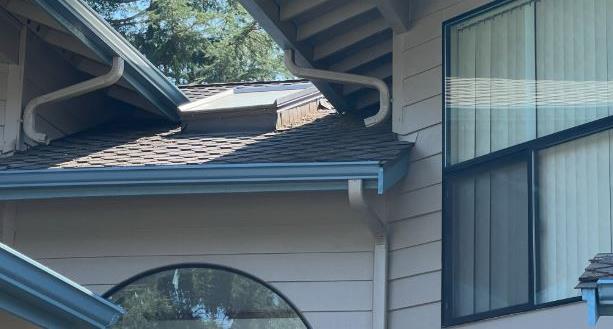
"Best" is useless without a climate attached to it. Vinyl is genuinely fine in Phoenix and a bad idea here. So here's the actual verdict for the South Sound — material, gauge, profile, and size — plus what I won't install on a house in this region and why.
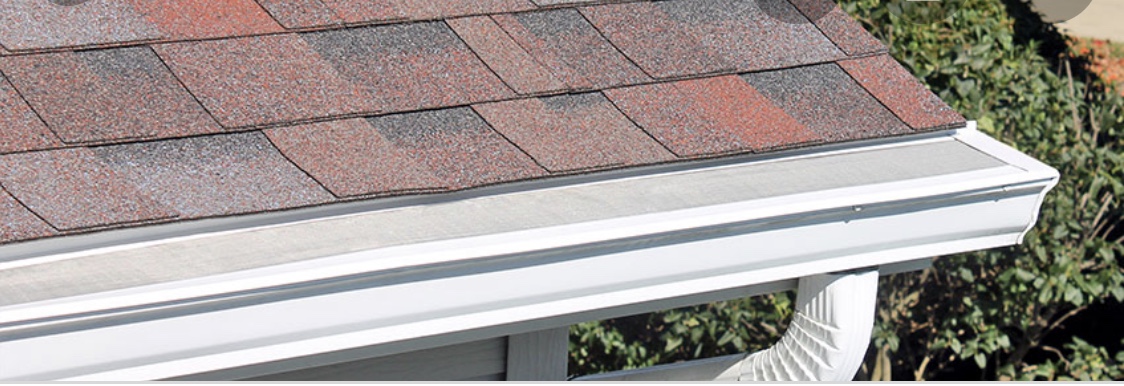
Most guard roundups won't commit to anything. This one ranks every type for the one thing that actually matters around here — whether it stops fir and pine needles — and names the one I'd talk you out of entirely.
No building code requires gutters, and there are real homes that get by without them. Here's the honest math on how much water your roof actually sheds, and why Western Washington's rain pattern tips the scale toward "get gutters" more than most climates.

Yes, it's legal in Washington. Here's how to actually connect a rain barrel to your existing gutters without compromising normal drainage, plus the honest math on how fast one fills in a real Western Washington downpour.
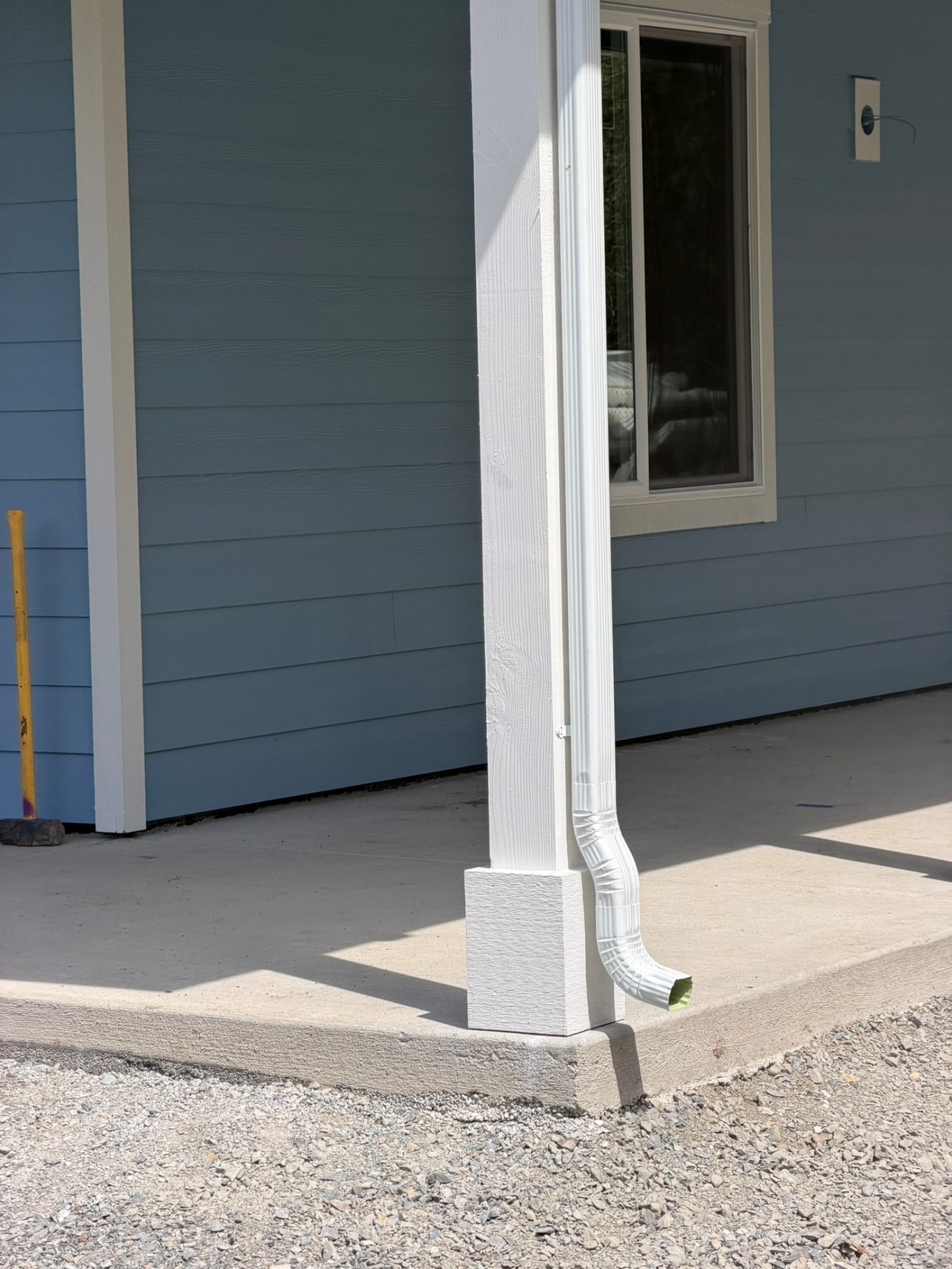
A downspout that dumps water two feet from the foundation hasn't finished the job. How far is actually far enough, what Washington's own drainage code says, and why Puget Sound's glacial-till soil makes this matter more here than most places.

Copper gutters cost 3-4x aluminum upfront. Here's the honest math on whether that pencils out, plus the patina timeline and theft risk nobody quantifies.
Galvanized steel gutters are strong and cheap-ish, but the zinc coating fails in a specific, predictable way. Here's when steel actually beats aluminum here.

Heat cable melts a channel around itself — it doesn't fix ice dams at the source. How it works, real cost, and who actually needs it here.

Leaf blowers, wet/dry vacs, telescoping wands, pressure washers, tongs — here's what each ground-level gutter cleaning tool actually handles, and why none of them touch a compacted needle mat.

An honest answer from a company that installs standard downspouts for a living: rain chains genuinely work, with real limits in heavy rain — here's when they make sense.

Why a quarter inch per 10 feet is the standard gutter slope, what happens when it's wrong in either direction, and how to actually check an existing system.

Metal roofs shed water faster and snow in whole sheets — here's what actually changes about gutter sizing, brackets, and guards, and what's genuine marketing noise.

Almost every gutter-freezing guide online is written for a real snow-belt climate. Here's an honest answer for the South Sound: yes it happens, but not the way those articles assume.

Why gutter seams actually fail, how to diagnose and fix a leaking one, and the honest line between a real repair and one that's about to fail again.

K-style is the default almost everyone gets quoted, but half-round has real advantages too. Here's an honest, confident answer on which one actually makes sense for a home in this climate — not another "it depends on your style."
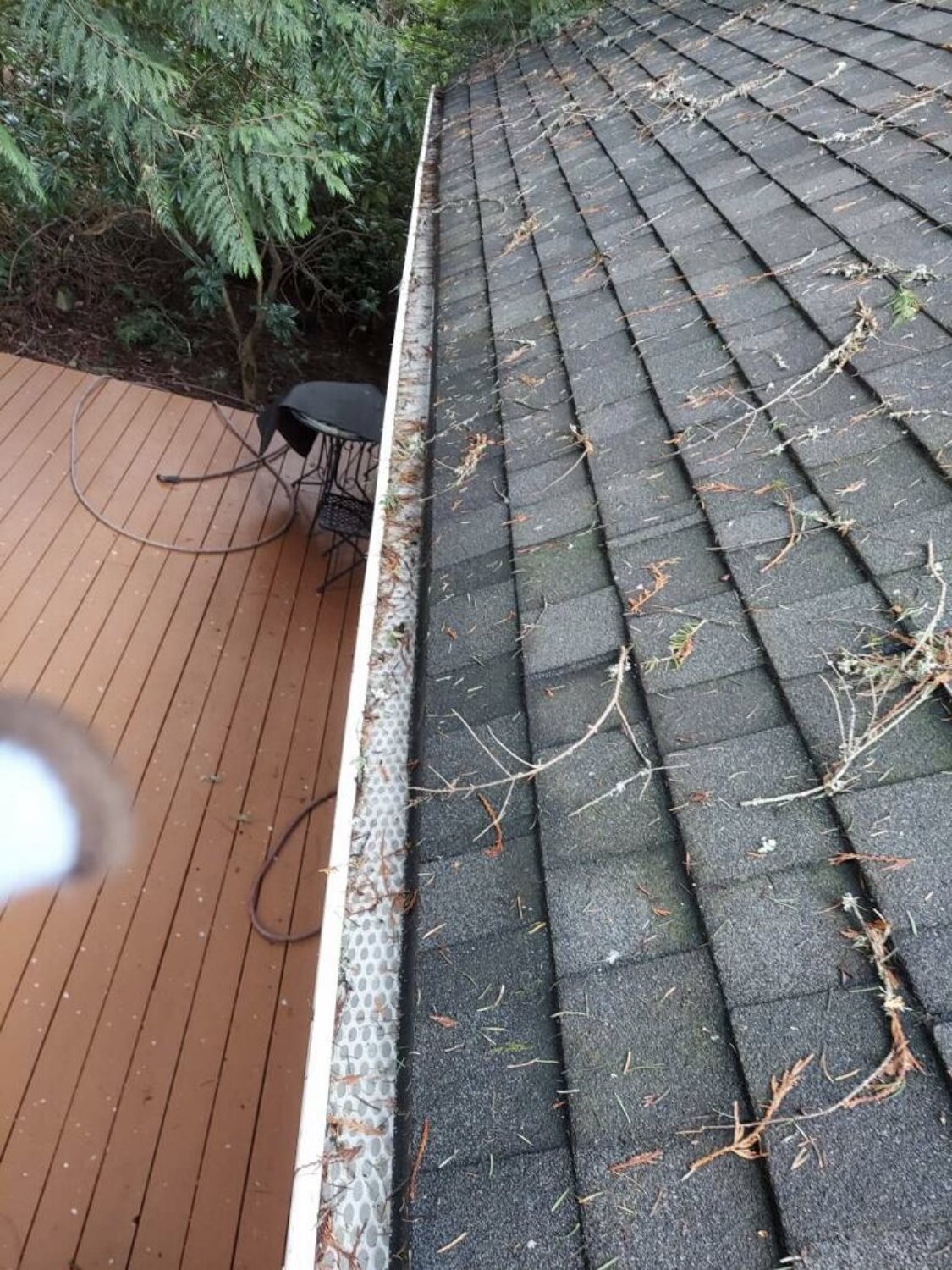
Overflow, sagging, siding stains, plants growing in the trough — here's what each sign actually means mechanically, which ones are early warnings, and which one means stop reading and go check your basement.

Matching, contrasting, black, white, or bronze — here's the actual decision framework, plus the wet-climate maintenance reality (hello, algae staining) that every national gutter-color guide skips entirely.
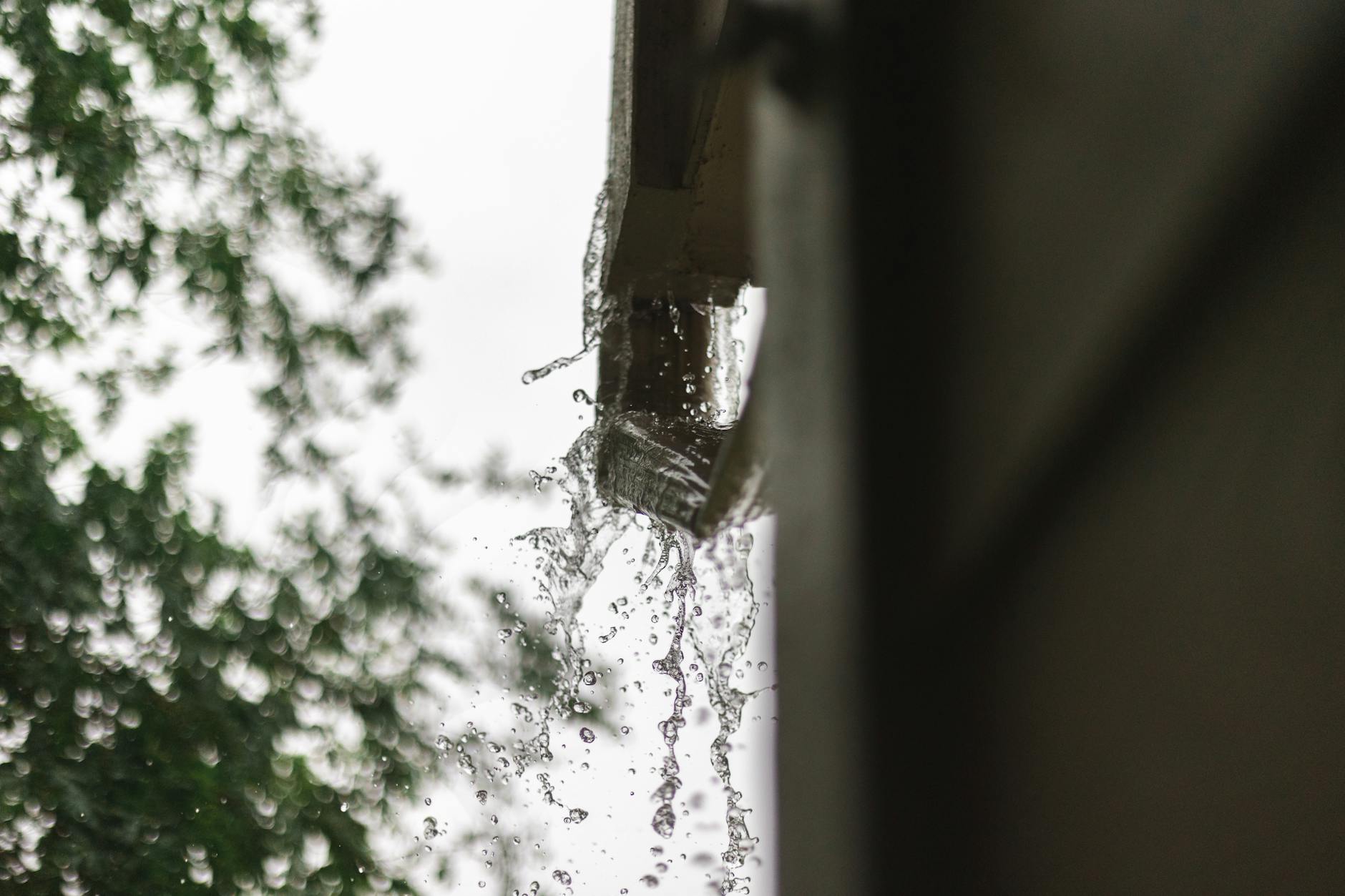
5-inch gutters are the default almost everyone gets quoted, but South Sound rainfall pushes a lot of roofs into 6-inch territory. Here's the real math on gutter sizing, with actual Olympia and Tacoma rainfall numbers instead of a national guess.
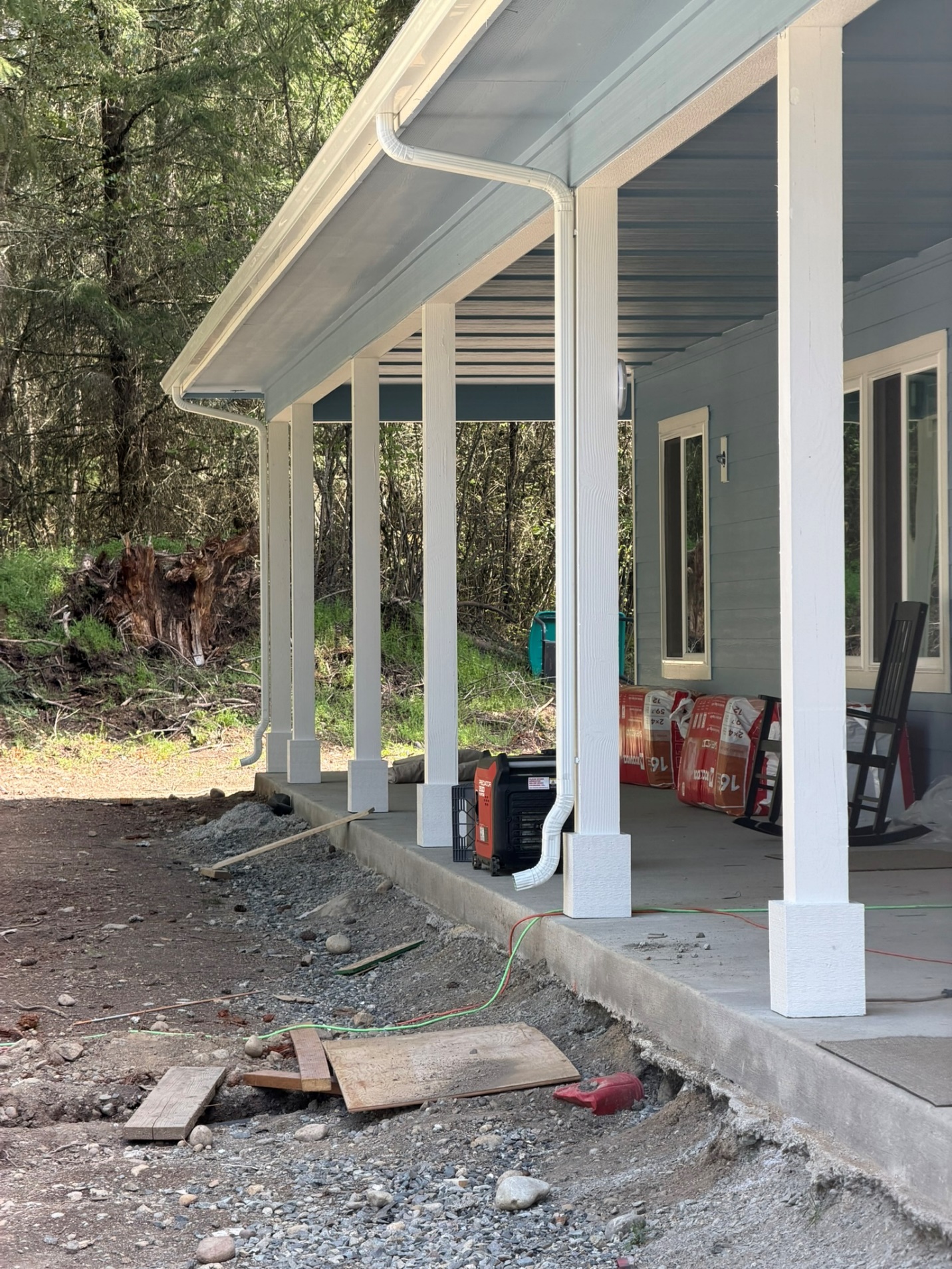
A lot of gutter advice aimed at this region leans on "freeze-thaw cycles," which isn't really our problem. Here's an honest look at what material and gauge actually hold up against months of sustained Western Washington rain.
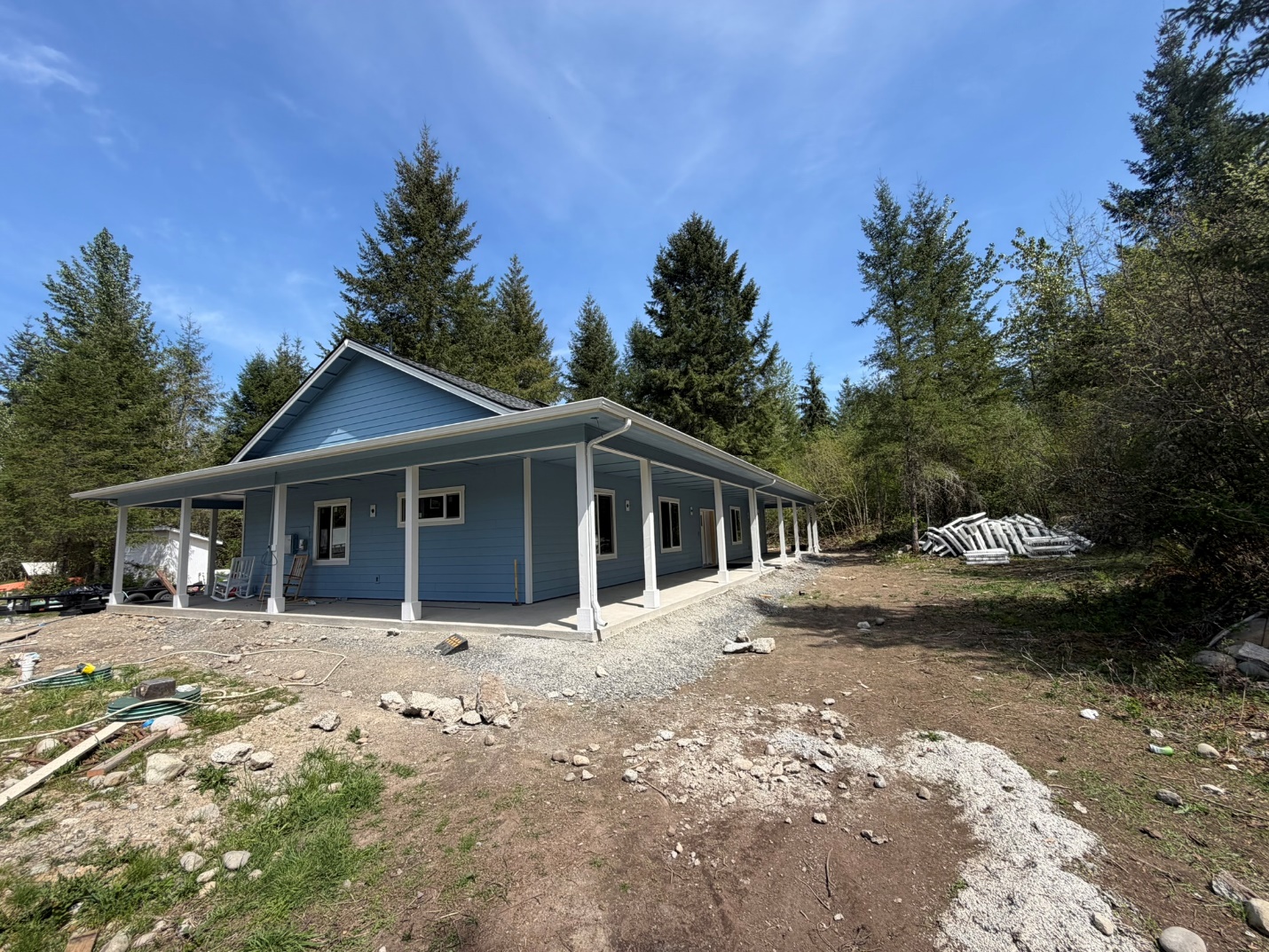
The big national cost-guide sites can't even agree with each other — one quotes aluminum gutters at $2 a foot, another says $20. Here's what gutter installation actually runs in the Tacoma area, not a national guess.
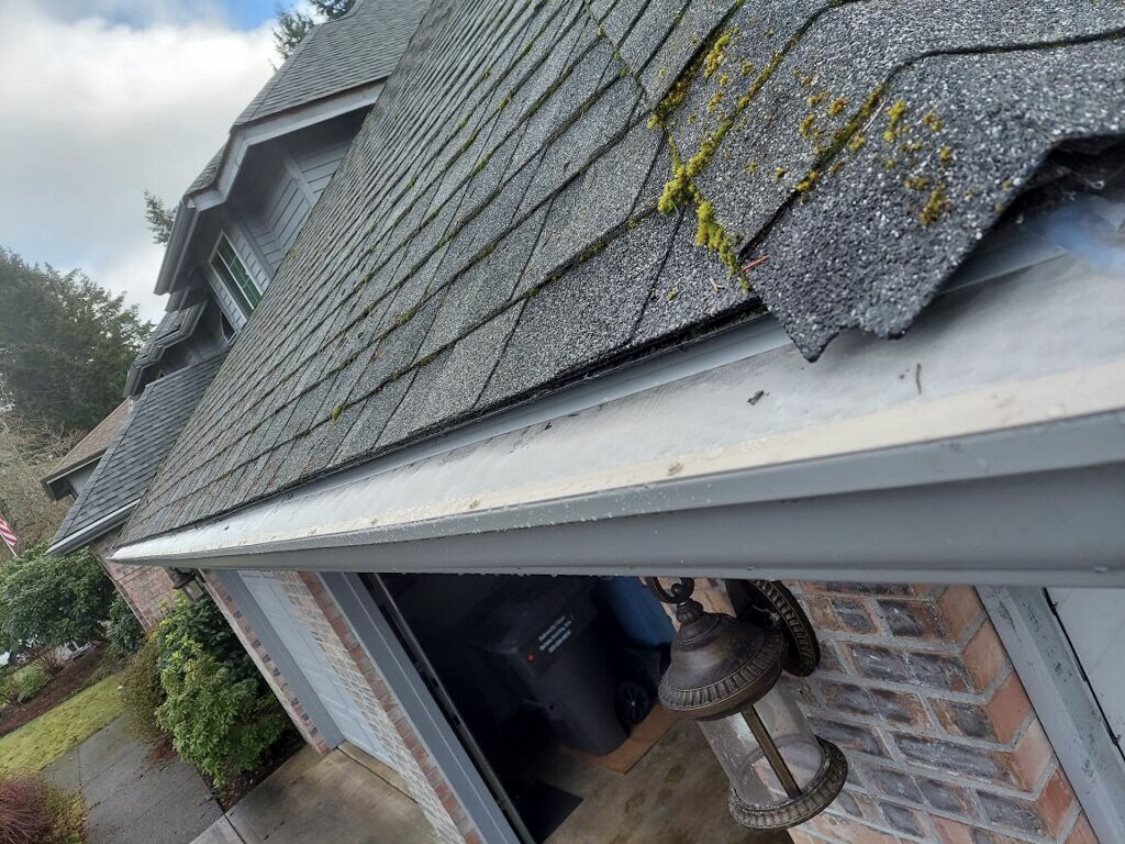
Somewhere on your roof, right now, there is a spot where two roof planes meet in a little valley — and every time it rains hard, that valley turns into a firehose aimed directly at one unlucky six-inch stretch of your gutter.
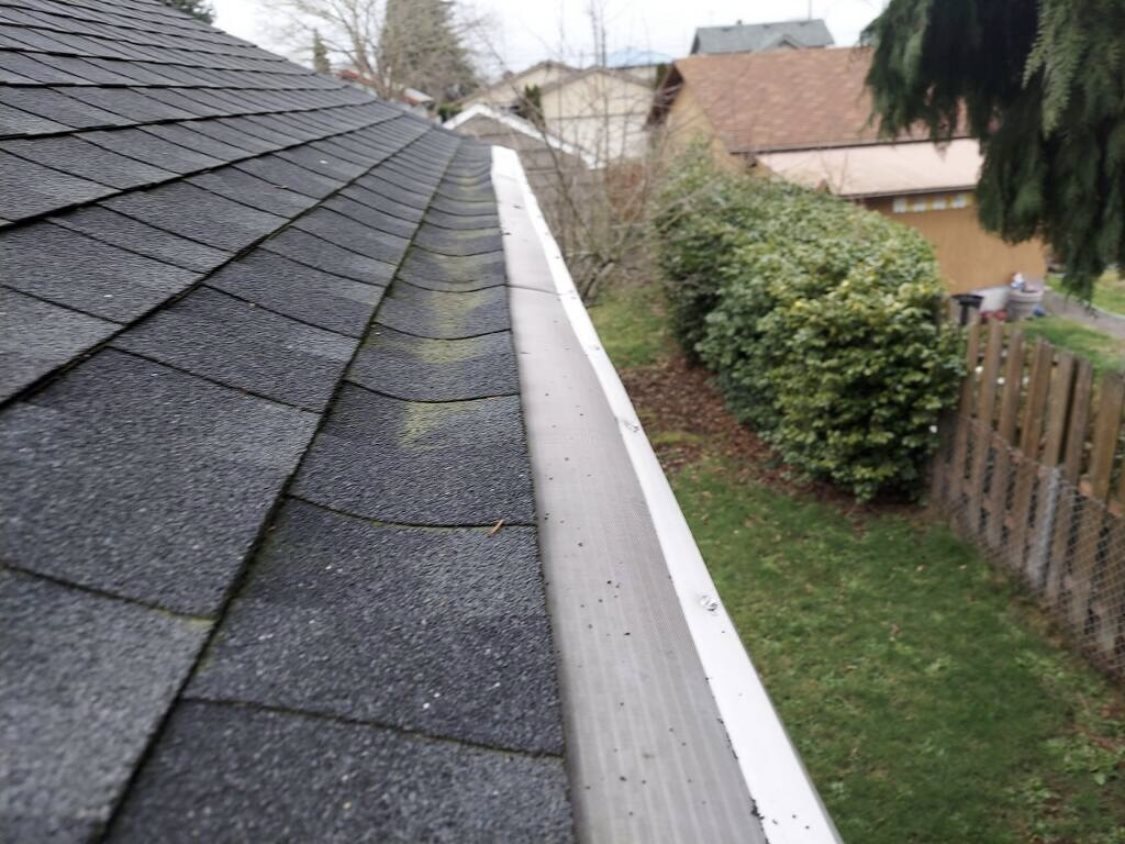
Here's the pitch you'll hear from most gutter guard companies: install this, and you'll never clean your gutters again. Here's what I'll actually tell you, standing on your roof with a mesh sample in my hand: that's not true.
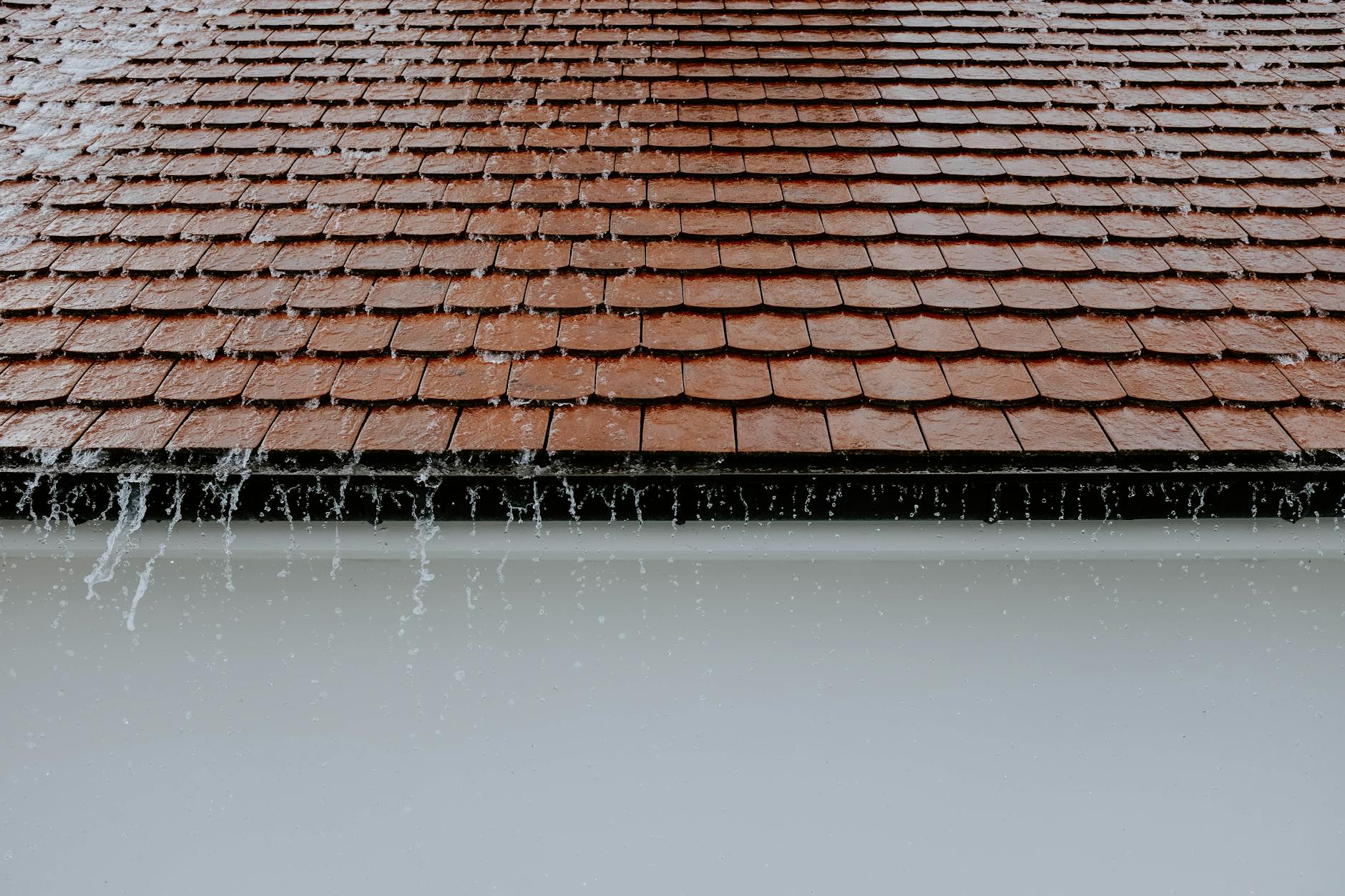
I've seen enough clogged gutters to know when a house is asking for help. This one didn't ask nicely. It staged a full waterfall right over the front porch in the middle of a storm, like it had something to prove.

Rain gutters get most of the attention, but they can't do their job without downspouts. The gutter's only role is to catch water running off the roof — the downspout is what actually carries that water safely away from the foundation.

A real decision framework for repairing vs. replacing rain gutters — what actually tips the scale, and where to go for the deeper answer on each factor.
Why gutter cleaning actually matters, how often it's genuinely needed on a treed South Sound lot, and what skipping a cycle actually costs down the line.

Sagging sections, pulled-away brackets, rust holes, and fascia rot — the structural signs that mean your gutters need repair, not just a cleaning.

Leaf guards make sense for some homes and are a waste of money on others. Here's the honest candidacy checklist instead of a blanket recommendation.

The seam at the end of your gutter run is usually the first thing to fail. Why end caps leak, what they actually cost, and when a $6 part is enough.

Zinc gutters aren't really a "coastal" material — the real story is sulfur dioxide, not salt. What zinc actually costs, how the patina forms, and the honest tradeoffs.

The hardware holding your gutter up matters more than the gutter itself. Real hanger types, real spacing specs, and why spikes actually work loose.

What actually happens on gutter installation day, from the machine that forms your gutter in your driveway to why installers here often run it flatter than the national standard.

A widely-repeated warning about painting aluminum gutters doesn't actually hold up. What real paint pros use, what actually fails, and the honest replace-vs-repaint line.

The "8,000 square foot" rule for needing oversized gutters likely traces back to a mislabeled spec sheet. The real capacity numbers, and why volume matters more than intensity here.

How to actually verify a Washington gutter contractor's license and bond, real red flags from the state AG's office, and questions that reveal a real diagnosis vs. a generic answer.

Wood gutters cost about as much as copper and need real annual upkeep — but on the right historic home, nothing else looks right. The honest tradeoffs.
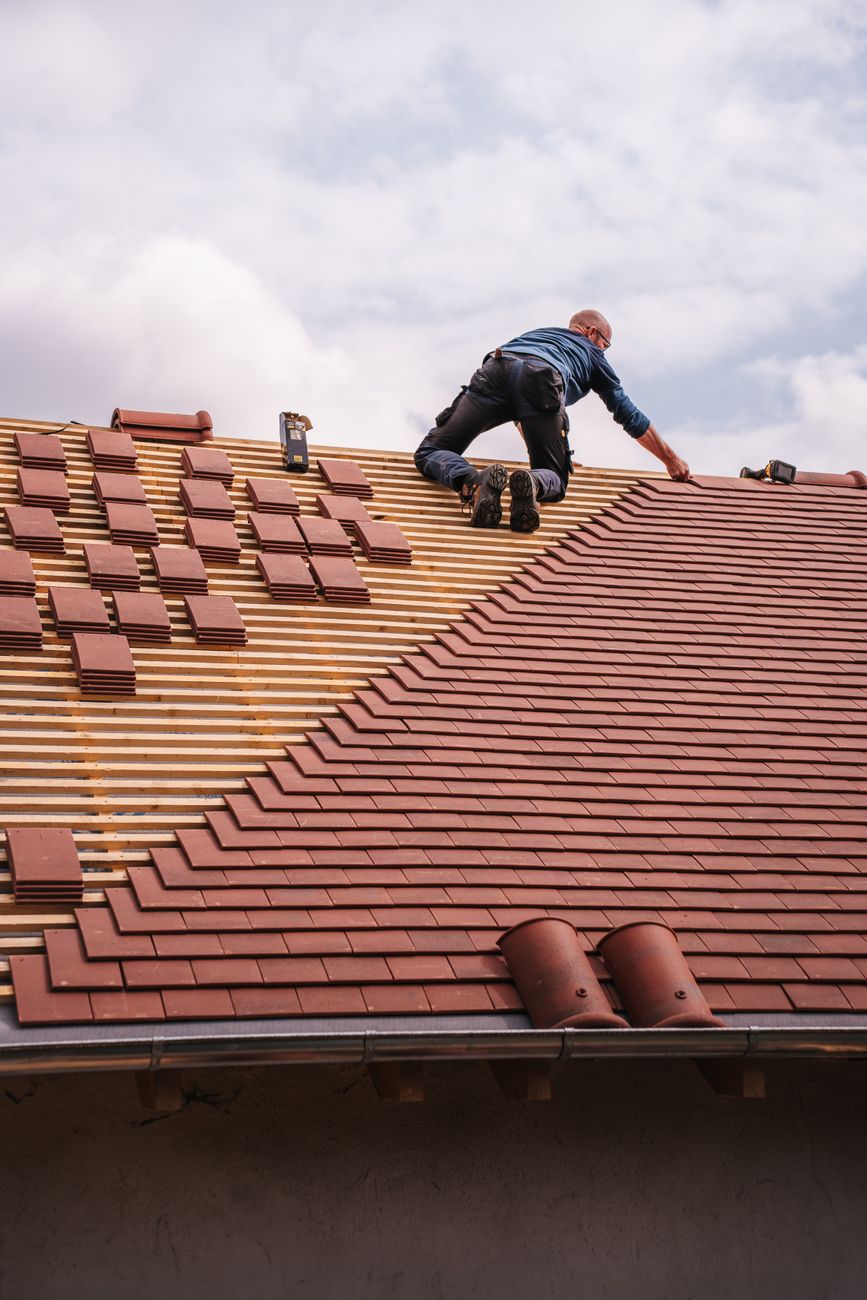
A standard drip edge and a gutter apron aren't the same thing, and code only requires one of them on asphalt shingle roofs. The real difference, and why it matters.

Downspout filters protect buried drainage, not the gutter itself — and no independent study actually proves how well they work. The honest read on when they're worth it.

How to actually measure your gutters and roofline before a repair or quote, the real ladder-angle rule, and why a professional's number often differs from a tape measure's.

A splash block alone often can't throw water as far as code guidance actually calls for. The real distance numbers, and when you need more than a block.

Downspout size isn't just a style choice. What actually determines which size your roof needs, and why a clean downspout can still overflow if it's undersized.

A ceiling stain near an exterior wall isn't always a roof leak. The real mechanism connecting a clogged gutter to interior water damage.

Gutter guards get blamed for ice dams and credited for preventing them, often in the same week. What building science actually says, and where guards really fit in.
Vinyl gutters are cheap, DIY-friendly, and sold everywhere. The honest tradeoffs versus seamless aluminum, and when vinyl is still the right call.

"Seamless" only describes the straight runs. Every corner is still a joint held together with sealant — and it's one of the most common places a gutter actually leaks.

Same object, two regional names. The real, sourced history of why the word split the way it did — and why it doesn't matter which one you use when you call.

Pole barns and metal shops don't have a fascia board to hang a gutter from, and one long roof plane sheds a lot more water per foot. What actually changes.

Fascia-style gutters don't hang from your fascia board — they replace it. What that actually means, the real depth numbers, and when I'd talk you out of it.
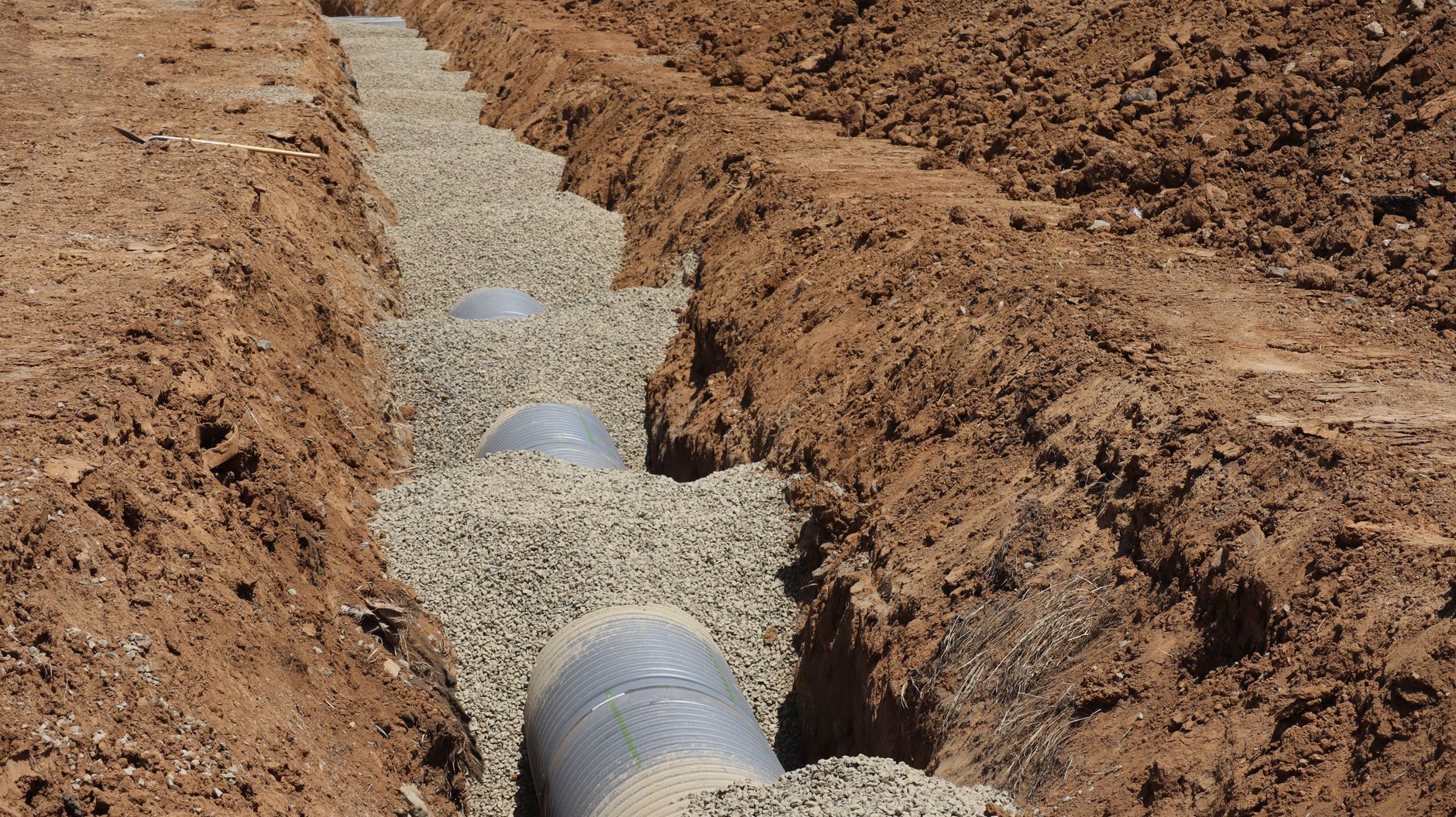
Rain chains, French drains, drip edges, hidden gutters — real alternatives, sorted by which ones actually skip the gutter and which ones just hide it.

A fraction of real copper's price for a similar look — with one honest tradeoff most sellers don't mention.

"Never clean your gutters again" is real marketing language from real companies. What actually still needs attention, and a real lawsuit that says a lot.

A sectional gutter run needs a coupler every 10 feet, and each one is a potential leak. Why a seamless run skips that problem entirely.

Ladder-free cleaning gadgets promise a lot. What actually works, where they fall short, and whether the robot category even still exists.

A guard can be completely clean and still overflow in a real downpour. Real test data on which guard types actually hold up, and why it matters less here than you'd think.

Real cost data by story count, by linear foot, and for the Seattle/Tacoma area specifically — plus an honest DIY cost comparison.

A slab of snow sliding off a metal roof can rip a gutter clean off the house. What snow guards actually do, and an honest read on whether you need them here.

"Lifetime warranty" almost never means what it sounds like. What's actually covered, what voids it, and what to ask before you trust one.

The 20-30 year rating assumes ideal conditions. What actually shortens gutter life in the real world, regardless of material.

A small, easy-to-miss piece of metal at roof-to-wall junctions — and missing it is a well-documented cause of hidden rot behind siding and stucco.
Code actually requires window wells to connect to your foundation drainage system. What that means, and why a cover alone doesn't fix it.

Moss isn't just algae's cousin — it physically lifts shingle edges and moves water sideways underneath them. What actually helps, and what makes it worse.

Intake vents right next to your gutters. What they actually do, why they get blocked, and why insulation matters more than venting alone for ice dams.

A chimney and its roof move independently, which is exactly why the flashing between them fails so often — and why caulk alone was never the fix.

A valley carries more water than any other part of your roof, which is exactly why it's such a common leak point — and why it deserves its own downspout attention.
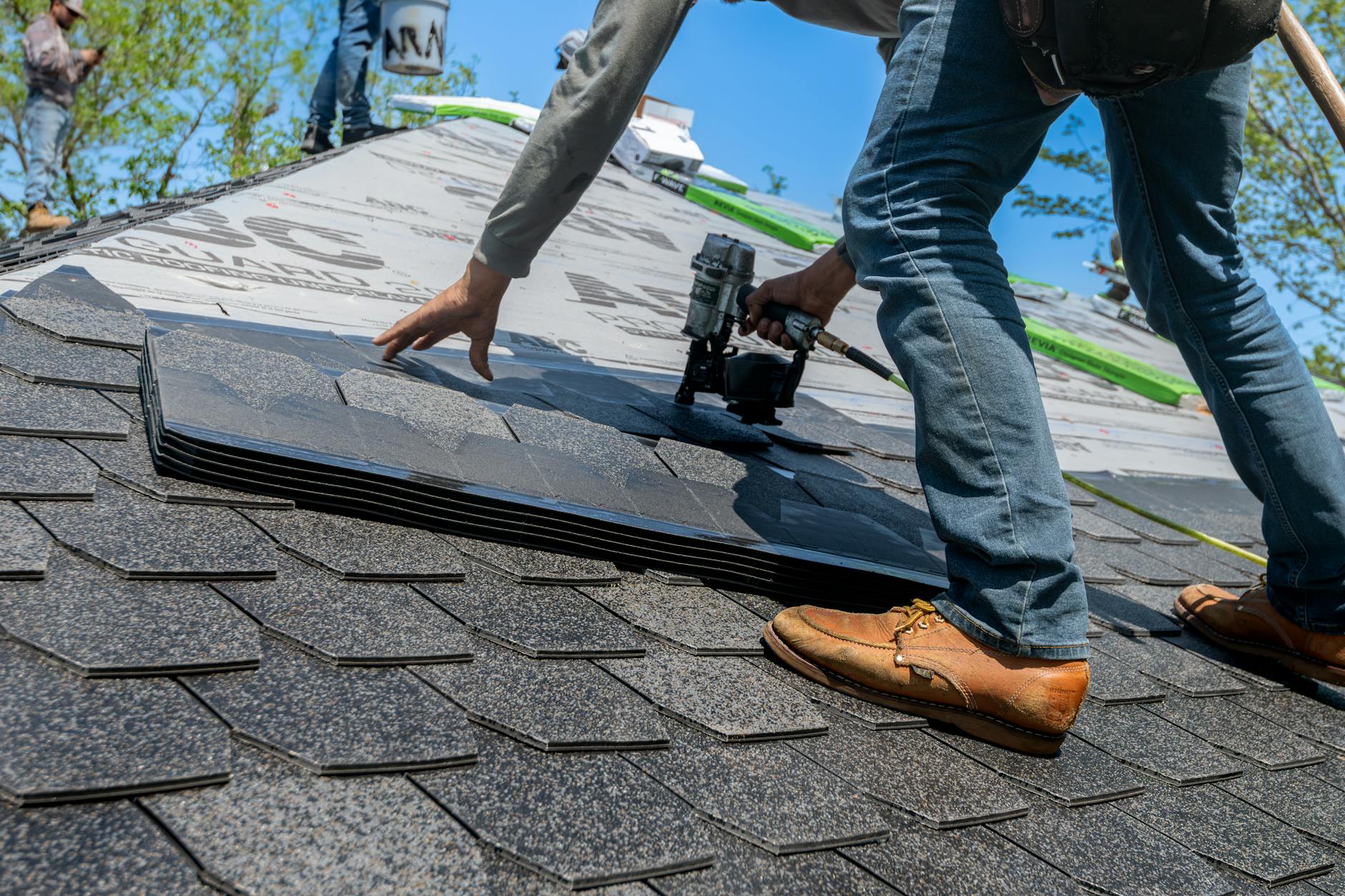
The exhaust half of the ventilation system your soffit vents feed into — and why mixing it with a gable or turbine vent undoes both.

Powered attic fans aren't ENERGY STAR eligible, and building scientists have real concerns about them pulling conditioned air out of your house.

Wind-driven, not stack-driven — and mixing them with a ridge vent is a well-documented way to short-circuit your whole attic ventilation system.

What your gutters actually hang on — and usually the real reason a gutter fails, not the gutter itself. Materials, diagnosis, and real repair costs.

Built into the roof structure itself, not hung off the fascia — which is exactly why a leak in one is a bigger problem than a leak in a standard gutter.
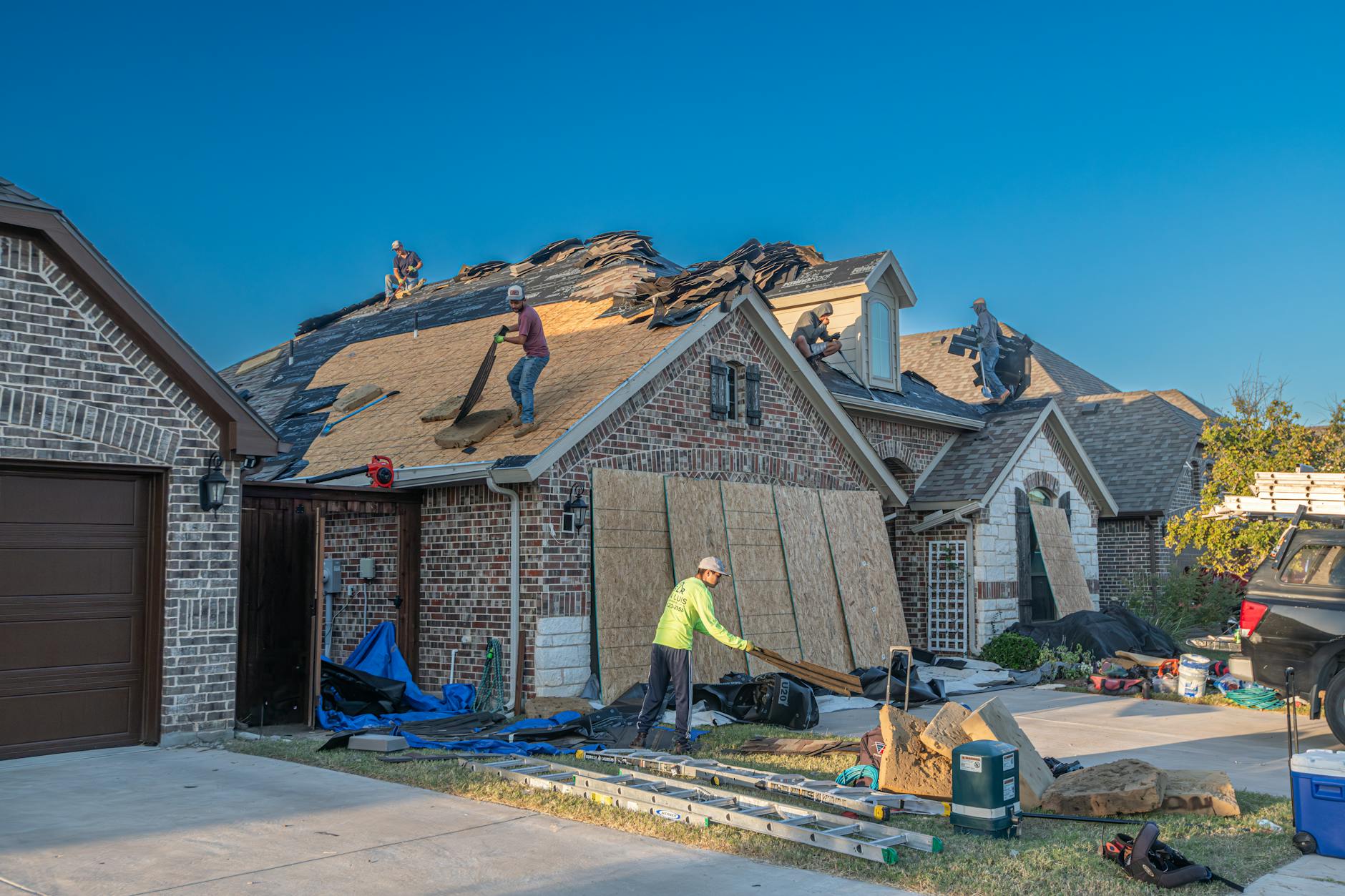
What it actually does, and a real answer on whether Pierce and Thurston County require an ice barrier membrane at the eaves.

Sagging, cracked, or chewed-through soffit is a different problem than blocked ventilation. Real causes, signs to check, and honest repair vs. replace guidance.
The small fitting connecting your downspout to underground pipe is where a surprising number of drainage problems actually start.

Honestly outside a gutter company's scope, but part of the same whole-house water picture — what it actually is and why it fails.
Replacement isn't installation with extra steps — tear-off, disposal, and the fascia rot hiding under the old gutters add real cost the install-price guides skip.
The real signs you need gutter replacement instead of another repair — expected lifespan by material, repeated fixes, and widespread rust or overflow.
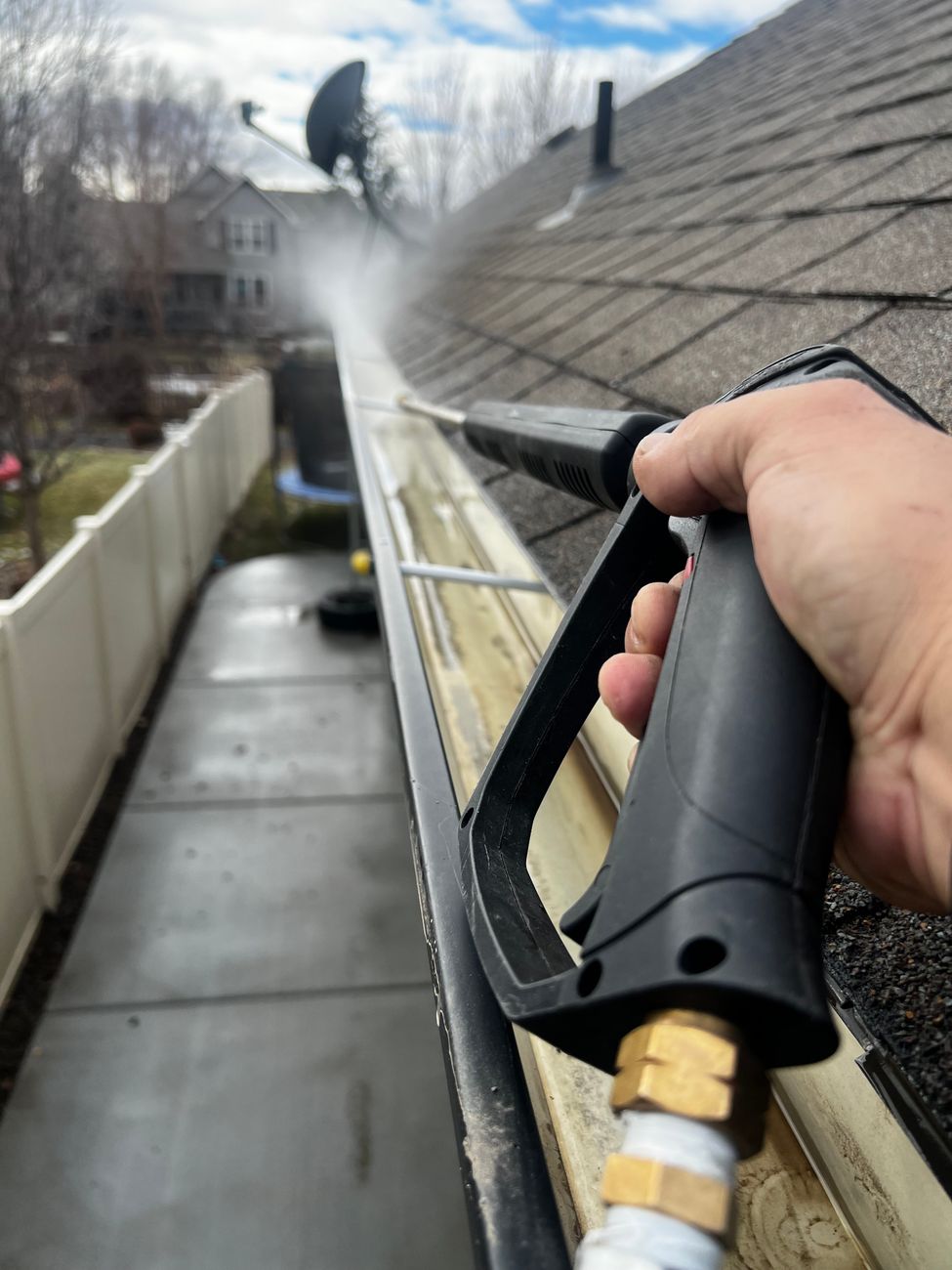
A real gutter maintenance checklist — what to inspect, how often, and what changes season to season, before small problems get expensive.
Small plastic or rubber shims that correct pitch when the fascia board itself isn't level — without re-hanging the whole run.
Aluminum gutter cost, gauge (.027 vs .032), and real lifespan data. Here's why aluminum became the industry standard and where it actually falls short.

An honest look at the tools, skills, and real mistakes homeowners make, plus when it actually makes sense to hire it out instead.

The honest ROI answer — what the real cost-vs-value reports track, what they don't, and what actually helps at resale.
Fascia and soffit sit inches apart and get mixed up constantly — the plain-language difference, and which one your gutter actually attaches to.
That downspout tapping outside your bedroom window at 2am isn't your imagination — why gutters get loud, and the real fixes that quiet them down.

Before you list or make an offer, know what actually gets flagged: slope, downspout distance, and fascia rot are what inspectors look for.

The gutters aren't what hurts people — the ladder setup is. The 4:1 angle rule, safe footing, and when to skip the ladder entirely.