Ridge Vents: The Exhaust Half of Your Attic's Ventilation System
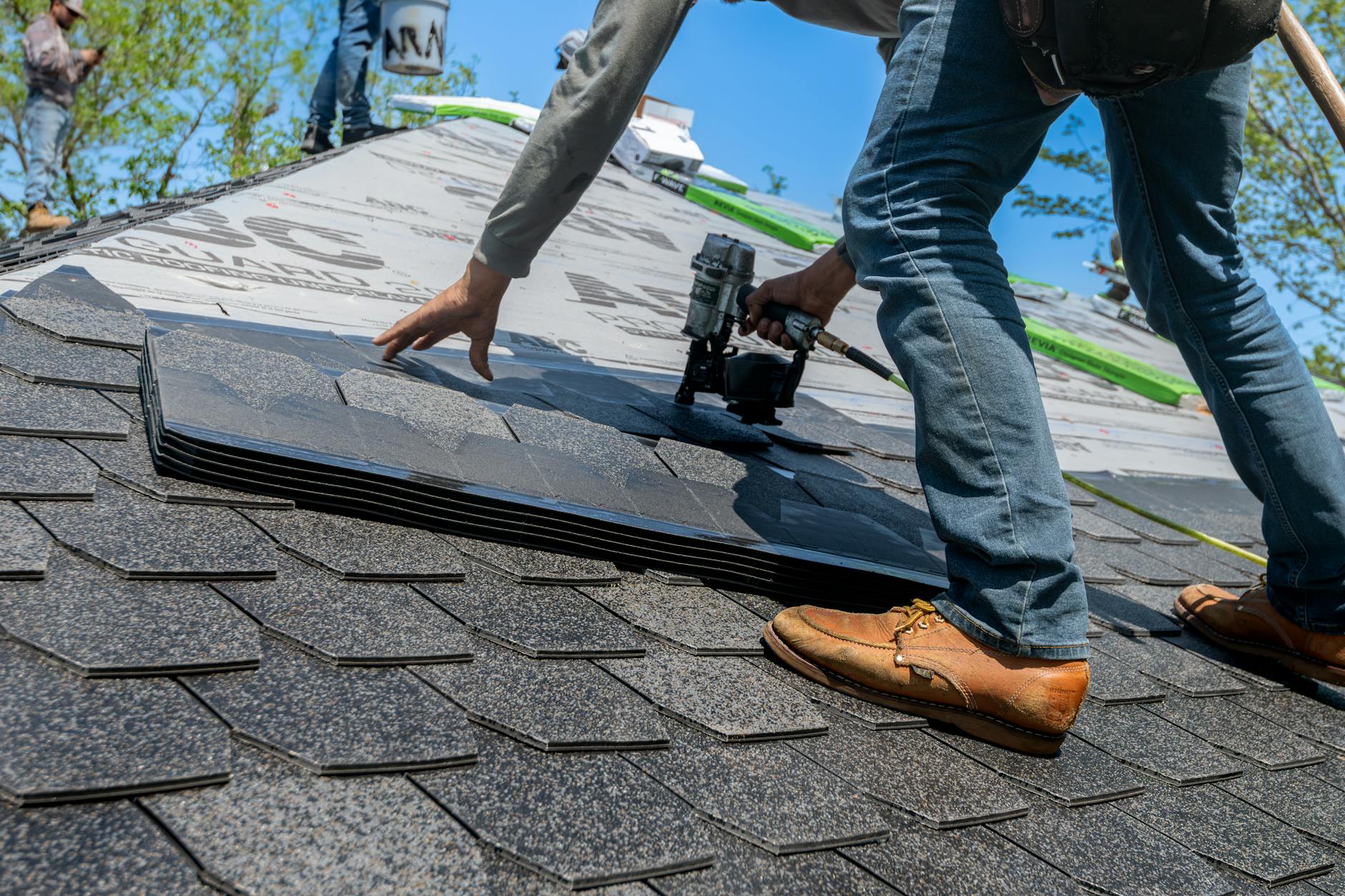
I've already covered soffit vents, the intake half of attic ventilation. A ridge vent is the other half — a continuous opening along the roof's peak that lets warm attic air escape. It only works as well as the soffit vents feeding it, and it stops working well at all if it's sharing the roof with the wrong kind of company.
How It Works With Soffit Vents
Cooler outside air enters low, at the soffits. As it warms inside the attic, it rises — the same stack effect already covered in the soffit vent post — and exits at the highest point on the roof, the ridge. A continuous ridge vent exhausts along the entire ridge length rather than at isolated spots, which avoids the pockets of trapped hot air that can form around older box-style vents lower on the slope.
What Code Actually Requires
The IRC's ventilation section doesn't name "ridge vents" by product type — it uses generic language about ventilators and net free ventilating area, the same 1/150 (or 1/300 under specific conditions) ratio already covered in the soffit vent post. One real detail worth knowing: code requires 40 to 50 percent of the total ventilating area to sit in the upper portion of the attic, within 3 feet of the ridge, with the rest in the lower third. That's the actual source of the commonly repeated "50/50 intake-to-exhaust" rule of thumb — it's real, but the code's actual range is 40-50 percent upper, not a strict even split. Industry guidance from the Asphalt Roofing Manufacturers Association goes a step further, suggesting intake should equal or exceed exhaust rather than the other way around, since too much exhaust relative to intake risks the system pulling air from somewhere it shouldn't.
The Mistake That Matters Most: Mixing Vent Types
This is the single most consistently documented ridge vent problem, and it's not a minor detail. Running a ridge vent alongside a gable vent, box vent, or powered attic fan on the same roof causes what the roofing trade calls short-circuiting — air takes the path of least resistance between two high vents instead of pulling all the way up from the soffits, leaving other parts of the attic poorly ventilated even though air is technically moving somewhere. Roofing trade press has documented a real case of a powered attic fan actually pulling rain in through a nearby ridge vent because of this exact dynamic. If your roof has a ridge vent, it should be the only exhaust vent up there — not sharing the job with a gable or turbine vent.
Does Cutting a Wider Slot Add More Airflow?
No, and this is a real, documented point worth knowing before anyone cuts into your roof deck. A ridge vent product's own net free ventilating area, not the width of the roof-deck opening, is what limits airflow capacity — cutting the slot wider than the manufacturer's spec doesn't add ventilation benefit, it just removes structural sheathing you didn't need to remove. Manufacturer installation instructions specify an exact slot width for a reason.
Can Wind-Driven Rain Get Through a Ridge Vent?
It's a real, if uncommon, failure mode rather than a myth. A respected building-science writer at GreenBuildingAdvisor confirms wind-driven snow or rain infiltration through ridge vents does happen, but describes significant resulting damage as rare — infiltrated snow typically sublimates before it ever causes a stain. Products intended for higher-wind exposure are tested under a formal wind-driven-rain standard, and manufacturers build external baffles into their designs specifically to deflect blowing rain and snow before it reaches the vent opening.
Real Cost to Install
Two independent consumer cost-guide sources converge on a similar range: roughly $300 to $650 installed for a typical residential ridge length, materials and labor included. That's a national average, not a Western Washington-specific figure, so treat it as a starting reference.
What to Actually Check
- Confirm your ridge vent isn't sharing the roof with a gable or turbine vent — that combination undermines both
- Check that soffit intake is actually open and unobstructed, not just present — a ridge vent without working intake can't do its job
- Don't assume a wider-cut slot means better airflow; the vent product's own rating is what matters
- If you're already having gutter work done at the roofline, it's a reasonable time to have the ridge and soffit system looked at together
Frequently Asked Questions
Can I have a ridge vent and a gable vent on the same roof? Not effectively — combining them causes documented short-circuiting of the attic's airflow. Manufacturers specifically instruct against it.
Does a wider ridge vent slot mean more ventilation? No — the vent product's rated net free area is the limiting factor, not the width of the cut opening. Cutting wider than spec just removes sheathing without adding benefit.
Can rain get in through a ridge vent? It's a real, documented but uncommon issue in wind-driven storms, mitigated by external baffle designs built into most quality vent products.
Is a 50/50 intake-to-exhaust split actually required by code? Not exactly — code requires 40 to 50 percent of ventilating area in the upper portion of the attic, which is close to the commonly repeated "50/50" shorthand but not a strict even split.
Not sure whether your ridge and soffit vents are actually working as one system? Reach out for a free estimate — I'll take an honest look while I'm already at the roofline.
Sources: International Residential Code (via up.codes), Asphalt Roofing Manufacturers Association, GreenBuildingAdvisor, Roofing Contractor magazine, Angi, HomeAdvisor.