Window Well Drainage: Why a Basement Window Well Needs More Than a Cover
I've written before about where downspout water should actually go and why dumping it a couple feet from the foundation doesn't count as finished. A basement window well is a related, often-overlooked version of the same problem — except here, the water is collecting in a hole dug right against your foundation wall, at a window that usually isn't sealed to be submerged.
What Code Actually Requires
The International Residential Code addresses this directly under Section R310.2.3.2, "Drainage" — window wells are required to connect to the home's foundation drainage system, as covered under Section R405.1, rather than being left to drain (or not drain) on their own. In plain terms: a window well isn't supposed to be an isolated hole that either drains into the soil around it or doesn't drain at all — it's supposed to tie into the same drainage system protecting the rest of the foundation. Exact requirements can vary by local jurisdiction, so treat this as the baseline, not the final word for your specific permit area.
Why an Undrained Well Is a Real Problem
A window well without working drainage becomes a small reservoir every time it rains hard enough. That standing water sits directly against the foundation wall and the window itself, and it doesn't just risk a leak through the window frame — it adds real hydrostatic pressure against that section of foundation. Water under pressure finds the smallest gap, whether that's a window seal, a hairline crack, or the joint where the well meets the wall. This is the same basic mechanism covered in the downspout drainage post — sustained water against a foundation is a pressure problem, not just a moisture problem.
How a Well Is Actually Supposed to Drain
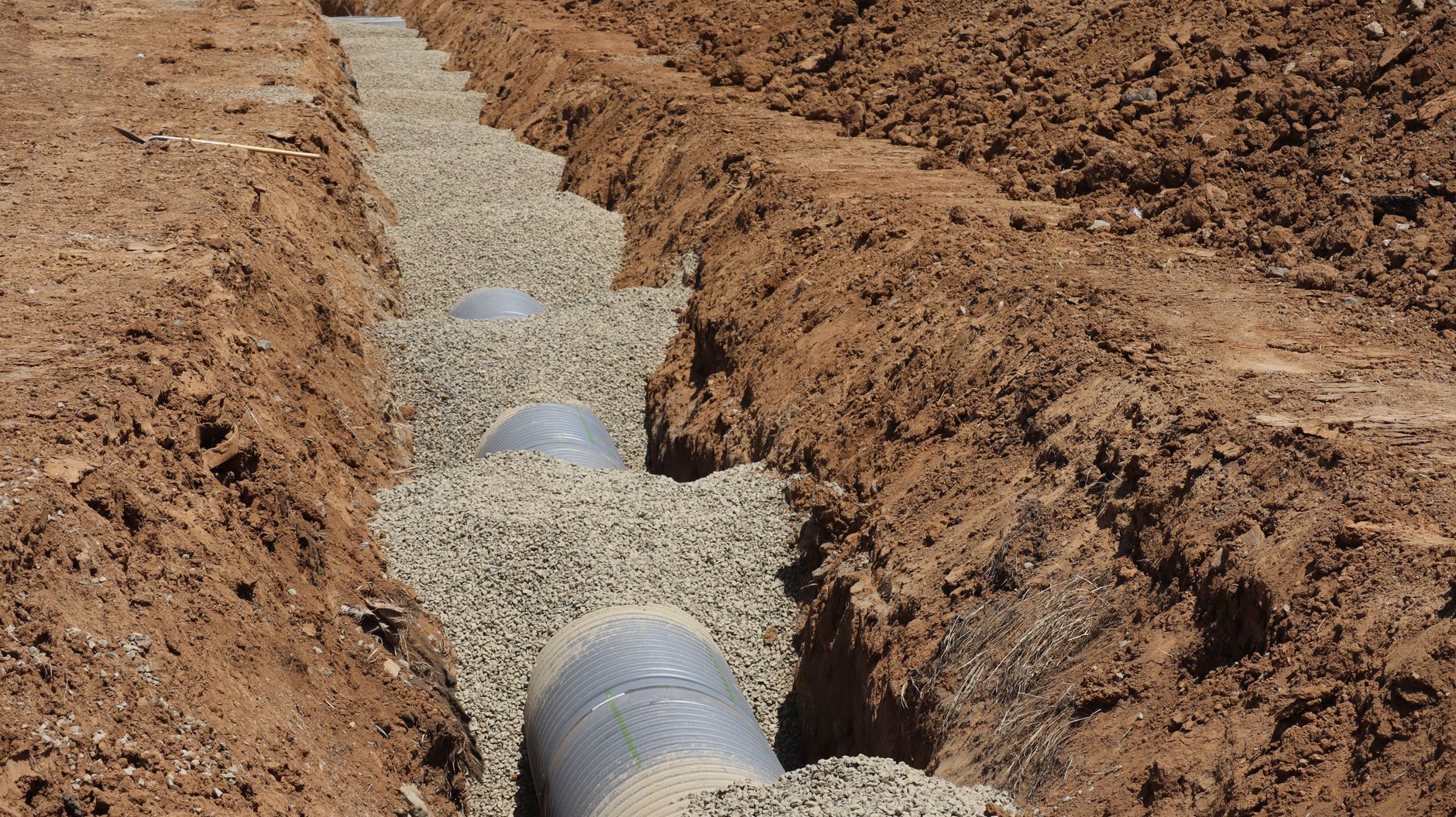
The standard setup is gravel backfill in the bottom of the well over a drain line that ties into the foundation's perimeter drain system, letting water pass through the gravel and out through that piped connection instead of pooling. A well that's just dirt or landscaping rock at the bottom, with no pipe connection underneath, isn't actually draining anywhere — it's just filtering the water briefly before it either soaks in right next to your foundation or sits there.
The Retrofit Problem
Here's the part that makes this a genuinely harder fix than most drainage issues: connecting a window well into the foundation drain system properly generally means excavating down to that drain line, which sits below the well itself. That's real digging next to a foundation wall, not a weekend gravel-shoveling project. It's part of why so many existing wells — especially on older homes — were never properly connected in the first place, and why a well cover alone, while it helps keep out rain and debris, doesn't solve an underlying drainage problem if the pipe connection was never there.
What a Cover Does and Doesn't Fix
A clear window well cover is a real, worthwhile step — it keeps out direct rainfall, leaves, and debris, and it's inexpensive. But it's not a substitute for actual drainage. Water can still reach a well from grading, splash-back, or groundwater rising from below, and a cover does nothing about any of that. Think of a cover as reducing how much water gets into the well, and drainage as what happens to the water that gets in anyway.
What to Actually Check
- Look at the bottom of the well after a real rain — standing water that doesn't recede within a few hours is a sign drainage isn't working
- Check that the well isn't just filled with dirt or debris burying whatever drain connection exists
- Confirm nearby grading and any downspout extensions aren't directing extra water toward the well
- A cover helps but doesn't replace an actual drain connection to the foundation system
- If you suspect the well was never properly connected, that's worth confirming before a wet season, not after a flooded window
Frequently Asked Questions
Does a window well legally need to drain? Per the IRC, Section R310.2.3.2 requires window wells to connect to the home's foundation drainage system rather than being left undrained — though local jurisdictions can have their own specifics worth confirming.
Will a window well cover stop water problems? It helps by keeping out direct rain and debris, but it doesn't replace an actual drain connection — water from grading, splash-back, or groundwater can still reach an uncovered drainage problem.
How do I know if my window well actually drains? Watch it after a heavy rain. Standing water that doesn't recede within a few hours is a real sign the well isn't properly connected to drainage.
Is fixing a window well's drainage a DIY job? Adding a cover or clearing debris is. Properly connecting the well to the foundation drain system usually means excavating down to that line, which is real work next to a foundation wall.
Noticed water pooling near a window well or unsure if your foundation drainage is doing its job? See the gutter repair & maintenance service or reach out for a free estimate — I'll take a real look at how water is actually moving around your foundation.
Sources: International Residential Code (ICC, via up.codes), Building America Solution Center (DOE), This Old House.