Roof Valleys: Why They're the Hardest-Working Part of Your Roof
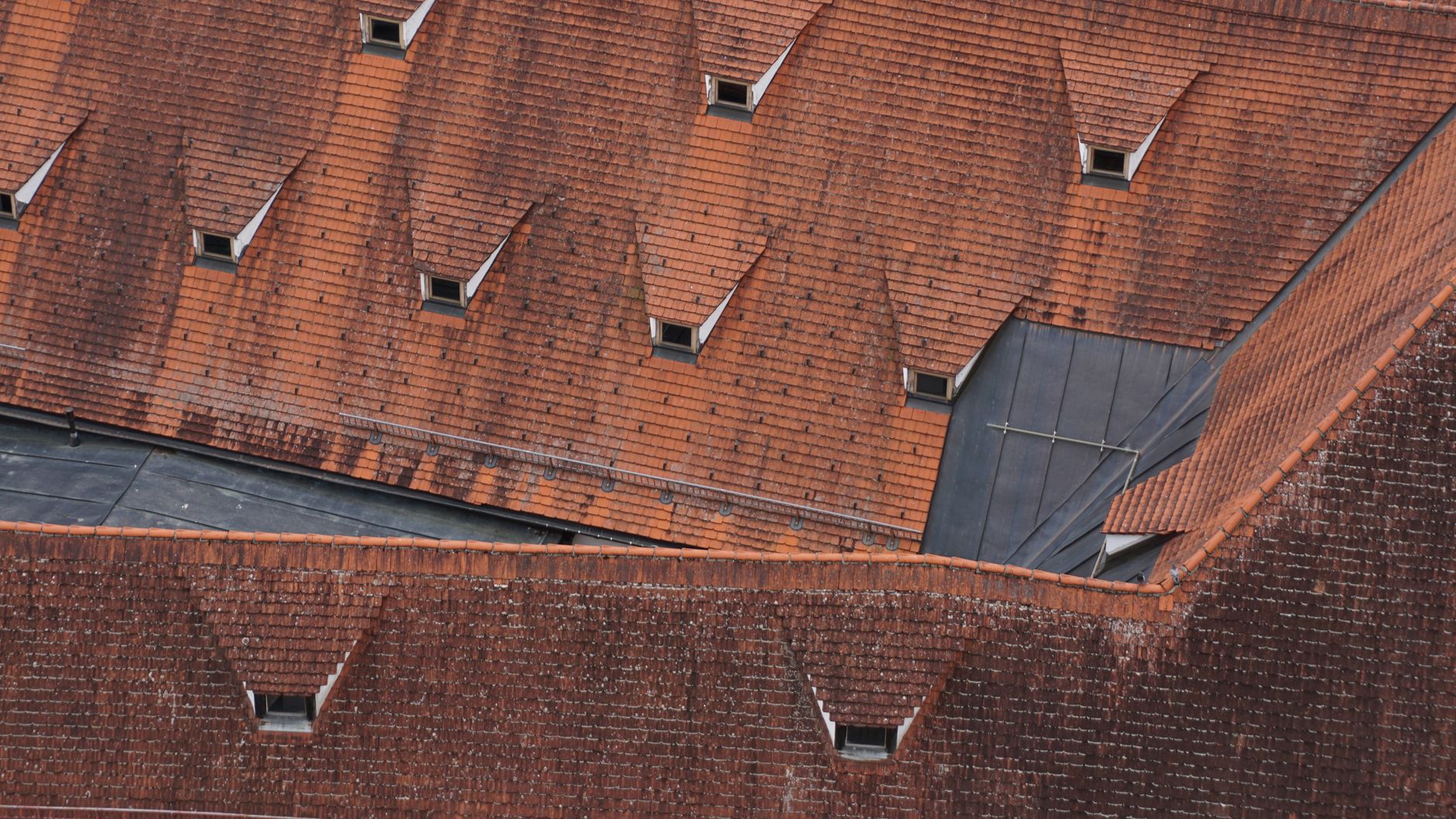
A roof valley is the internal V-shaped channel formed wherever two sloped roof planes meet. It's an easy detail to overlook, but it's doing more work than any other single spot on your roof — and that's exactly why it's worth understanding before it becomes a leak.
Why Valleys Handle So Much Water
Instead of one roof plane draining on its own, a valley collects runoff from two full sections of roof and funnels all of it down one channel. Roofing manufacturers and industry sources are consistent on this basic point: valleys concentrate water from multiple roof planes into a single path, rather than spreading it evenly across the whole roofline the way a plain slope does. I won't put a specific multiplier on exactly how much more water a valley sees compared to elsewhere on the roof — I looked for a real, sourced number and couldn't find one that traced back to an actual study rather than a marketing blog — but the basic mechanism (two planes, one channel) is well established.
Open, Closed-Cut, or Woven — Not All Valleys Are Built the Same
There are three real construction methods. An open valley uses exposed metal flashing running down the center, with shingles trimmed back on both sides. A closed-cut valley has shingles from one side running across and over the valley, with the other side's shingles cut back underneath. A woven valley interlaces shingles from both sides across the valley with no exposed metal at all. IKO, a major shingle manufacturer, is direct about this: they recommend open metal valleys for the best performance, and their limited warranty doesn't cover the other two methods. That's a real, manufacturer-stated preference, not just a matter of installer opinion — closed-cut and especially woven valleys are more prone to slower water shedding and granule loss from standing water.
What Code Actually Requires
The International Residential Code addresses valley flashing directly. For an open valley lined with metal, the lining must be at least 24 inches wide, using a corrosion-resistant metal that meets the code's own material table. For a closed valley using roll roofing instead of metal, the code calls for at least 36 inches of material, or the same open-valley metal option, or a qualifying self-adhering underlayment. Worth being upfront about: code section numbers have shifted between IRC editions, so treat these figures as the real substance of the requirement rather than something to quote verbatim from a specific section number without double-checking against the current locally adopted code.
Why Valleys Are Such a Common Leak Point
Two real, well-supported reasons. First, debris — needles, leaves, and grit collect in a valley more than anywhere else on the roof, since it's the low point two planes drain into, and that debris impedes drainage and can encourage ice to form on top of it during a cold snap. Second, the fastener pattern: a woven valley in particular runs nails closer to the actual water channel than an open metal valley does, and penetrations near the center of a valley are a real, documented leak risk that roofing-science sources specifically warn against. I'll be honest that I came across a widely repeated statistic online claiming a specific percentage of all roof leaks originate at valleys and chimney flashing, attributed to a roofing trade association — I could not verify that figure against any real published source, so I'm leaving it out rather than repeating an unconfirmed number.
How This Connects to Your Gutters
A valley doesn't just concentrate water on the roof — it delivers that concentrated flow to one specific spot along your gutter run. This Old House notes that spots where multiple roof planes meet, valleys included, can send a large volume of water to a single point even on a modestly sized roof. It's genuinely common trade practice for gutter installers to add an extra downspout or a splash guard directly below a valley's discharge point to handle that concentrated flow — though I want to be honest that this is an established industry convention, not a codified drainage requirement I could point to directly. If a specific stretch of your gutter overflows disproportionately during heavy rain, tracing it back to a valley overhead is a good first place to look.
What to Actually Check
- Look at what's actually installed in your valleys — exposed metal (open valley) is the manufacturer-preferred option; shingle-only (closed-cut or woven) is more common but performs less well long-term
- Clear debris out of valleys specifically, not just the gutters — this is where it collects fastest
- If one section of gutter consistently overflows, check whether a valley is draining directly into that spot
- A valley showing granule loss, rust, or visible gaps in the metal is worth a closer look before it becomes an active leak
Frequently Asked Questions
Are all roof valleys built the same way? No — open (exposed metal), closed-cut, and woven are the three real methods. Manufacturers like IKO specifically recommend open metal valleys and may not warranty the other two.
Why do valleys leak more often than the rest of the roof? Two real factors: they collect more debris than anywhere else on the roof, and shingle-only valley methods place fasteners closer to the actual water channel than an open metal valley does.
Does a roof valley affect my gutters specifically? Yes — a valley concentrates water from two roof planes into one discharge point along the gutter, which is why installers commonly add extra downspout capacity or a splash guard right below one.
Is it expensive to repair a roof valley? National cost-guide averages put valley flashing repair somewhere in the $300-$1,500 range depending on length and damage, though that's a general estimate, not a Western Washington-specific figure.
Noticing water pooling or overflow at one particular stretch of gutter? See the gutter repair & maintenance service or reach out for a free estimate — I'll take a real look at what's feeding it from above.
Sources: IKO (manufacturer guidance), International Residential Code (via up.codes), This Old House, Building America Solution Center (DOE/PNNL).