Galvanized Steel Gutters: When They're Actually Worth the Rust Risk
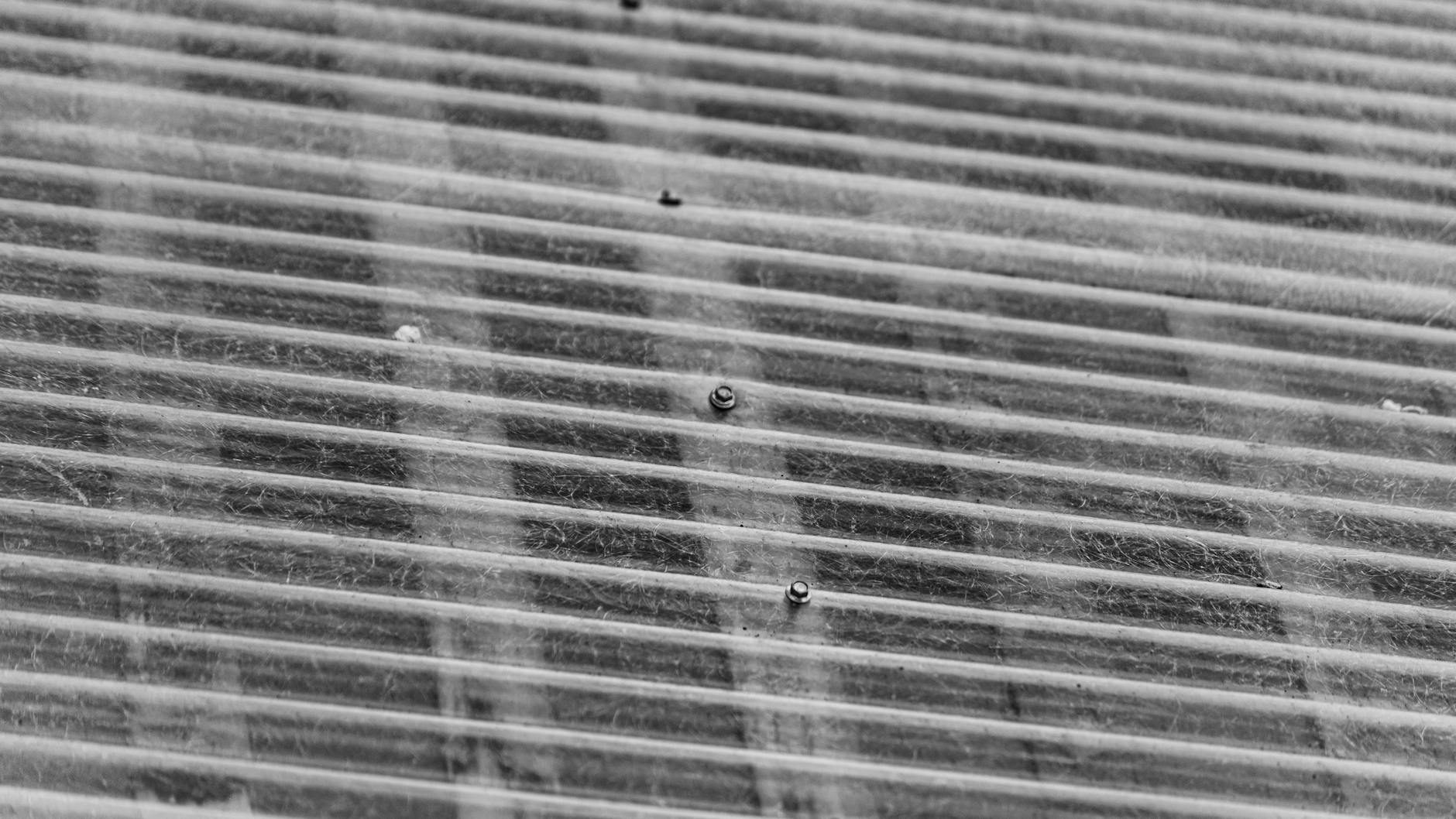
This site's own materials post already called galvanized steel's rust resistance "a bigger gamble here than in a drier climate." That's still true — but "bigger gamble" isn't the same as "never." Steel genuinely wins in a narrow set of real situations. Here's the actual mechanism behind why steel rusts where it does, and the honest cases where it's still the right call.
What galvanization actually does
Galvanizing means hot-dipping steel in molten zinc — around 840°F — which bonds a layer of zinc-iron alloy to the surface, harder than the base steel underneath. Standard residential-grade coating (G-90) puts about 0.90 ounces of zinc per square foot on the steel; lighter retail stock (G-60) carries roughly 40% less. That coating weight is the single biggest factor in how long the gutter actually lasts before rust becomes a real issue — a G-90 system installed correctly can reasonably hit 50 years, while thin retail-grade stock averages closer to 20.
Where rust actually starts, and why
This is the part every generic pros-and-cons article skips. Rust doesn't start randomly across a steel gutter — it starts at cut edges, drill holes, and scratches, and there's a real electrochemical reason why. At a cut edge, the exposed bare steel and the surrounding zinc form a tiny battery: the steel becomes cathodically protected while the zinc around it corrodes sacrificially, which is genuinely the "self-healing" behavior manufacturers describe. But that protection has real limits — research on cut-edge corrosion found the reaction creates localized acidic pockets right at the steel-zinc interface, which is exactly why damage that starts at an edge or hole tends to spread outward from that point rather than staying contained. Every fastener hole, every field-cut miter, every scratch from installation is a new place that process can start.
Galvanized vs. Galvalume: a real, useful distinction
Galvalume swaps pure zinc for an alloy coating — roughly 55% aluminum, 43% zinc, and a touch of silicon — and it genuinely outperforms standard galvanizing, with corrosion resistance rated 2-4 times better and realistic lifespans in the 40-50 year range instead of 15-20. There's a counterintuitive wrinkle worth knowing: Galvalume can actually show surface rust faster at a bare cut edge initially, but that rust self-limits and stops spreading, while standard galvanized rust — once it starts — keeps going. If you're set on steel specifically, asking whether it's standard galvanized or Galvalume is a real, material question, not a technicality.
The honest downsides beyond rust
Steel is heavy — meaningfully heavier than aluminum, which means sturdier hangers and more support during installation, not a casual swap-in replacement. It also conducts heat and cold more than aluminum, and while there's no solid published acoustic data comparing rain noise on steel versus aluminum, the consistent pattern across installer and homeowner reports is that heavier-gauge steel tends to dampen impact noise better than thin aluminum stock — the opposite of what people often assume about "tinny" metal roofing sounds.
When steel actually wins here
The honest, narrow list: genuine impact resistance needs — a property with mature trees dropping heavy branches regularly, somewhere hail or severe wind is a real recurring concern, or a security/durability priority that outweighs the coating-dependent rust risk. Steel is also a real fit for homes leaning into a modern industrial aesthetic where the material itself is part of the design intent, not hidden. Outside those specific cases, aluminum remains the more forgiving default in a climate that stays wet for months at a stretch, since it doesn't have a coating that can be locally breached and start a spreading failure.
If you already have steel gutters
Catching a coating breach early is the entire game. Small rust spots or exposed metal at a cut edge or fastener hole can be touched up with a zinc-rich cold-galvanizing paint before the damage spreads — cheap and genuinely effective if caught while it's still small. Left alone, what starts as one rust spot at a seam or hole tends to keep spreading from that point rather than staying contained, which is the same mechanism covered above.
What I actually install
Aluminum remains my default for the large majority of homes in this climate — it doesn't carry steel's coating-dependent failure mode, and this region's sustained rain is specifically the condition that makes a breached coating a faster problem than it would be somewhere drier. When someone has a real reason to want steel — heavy branch fall risk, a specific aesthetic, genuine impact concerns — I'll install it and tell them honestly what to watch for at the cut edges and fastener points, since that's where the real risk actually lives.
Frequently Asked Questions
Do galvanized steel gutters rust? They can, once the zinc coating is breached — rust starts specifically at cut edges, drill holes, and scratches, not across the whole surface at once.
How long do galvanized steel gutters last? Roughly 20 years for standard retail-grade coating, up to 50 years for heavier professional-grade (G-90) coating installed and maintained correctly.
Are steel gutters better than aluminum? Not generally in this climate — aluminum is more forgiving of sustained rain since it doesn't have a coating that can be locally breached. Steel wins in specific cases: impact resistance, heavy snow load, or a deliberate industrial look.
Can rust on steel gutters be repaired? Yes, if caught early — a zinc-rich cold-galvanizing paint on a small rust spot or exposed cut edge can stop it from spreading.
Is Galvalume better than standard galvanized steel? Yes, generally — 2-4x better corrosion resistance and a longer realistic lifespan, though it can show minor surface rust at a cut edge sooner (which then self-limits).
Considering steel for a specific reason — heavy branch fall, impact resistance, or the look? See the seamless gutter installation service or reach out for a free estimate — I'll tell you honestly whether steel makes sense for your situation or whether aluminum's the better call. Curious about the full material lineup? Here's the honest comparison, and if copper's on your list too, here's the real math on that one — or the deep dive on what you're actually comparing steel against. And if the real question is which one sounds quieter in a downpour, here's what actually causes the noise.
Sources: Fixr, AllGutter Inc, Sheffield Metals, GalvInfo, peer-reviewed cut-edge corrosion research (PMC), HomeAdvisor.