Are Rain Gutters Actually Necessary? An Honest Answer
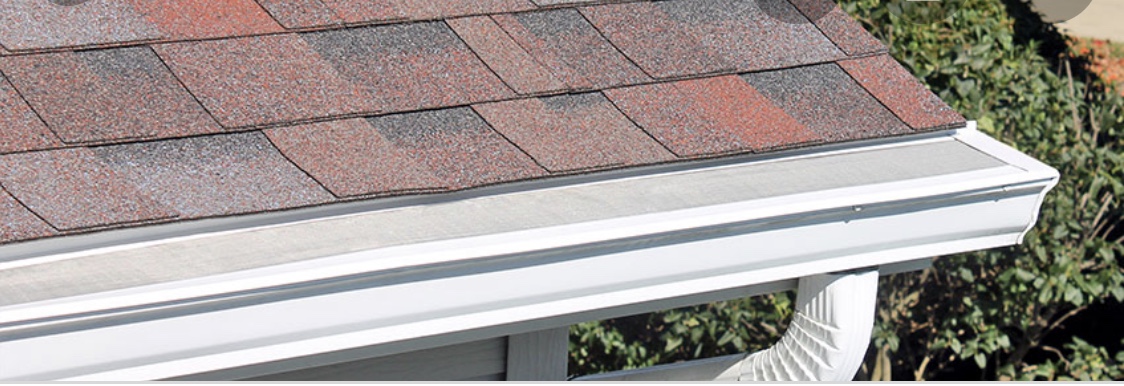
Short answer: no building code requires them, and there are real situations where a home genuinely doesn't need them. Longer answer: for most homes in this specific climate, gutters are doing more work than people realize, and skipping them isn't the harmless shortcut it looks like. Here's the honest version, math included.
The math nobody shows you
A roof doesn't stop shedding water just because there's nothing to catch it — the water still lands somewhere, just concentrated instead of spread out. One inch of rain falling on one square foot of roof works out to 0.623 gallons. Run that across an average home: a 2,000 square foot roof sheds roughly 1,245 gallons per inch of rain. Without gutters, all of that lands in a narrow band right at your foundation instead of getting carried somewhere else.
What actually happens without gutters
This isn't about scare statistics — a lot of the "X% of foundations fail" numbers floating around online don't trace back to anything real, so we won't use them here. What does happen, backed by real building-science sources, is more straightforward:
- Soil saturation at the foundation edge. Repeated soaking and drying cycles right next to the house stress the soil and, over time, the foundation itself.
- Splashback. Water dripping straight off the roof edge stains siding and wears down fascia boards faster than it should.
- Erosion. Unmanaged runoff washes out mulch beds, carves trenches through soil, and undermines walkways over time.
The standard fix, per building guidance, is getting water at least 5 feet away from the structure — which is exactly the job a gutter and downspout system does.
When gutters genuinely aren't necessary
To be fair about it — there are real, legitimate cases where a home gets by fine without them: homes with roof overhangs of 3+ feet that throw water clear of the foundation on their own, homes on sandy or fast-draining soil that doesn't hold water long enough to cause problems, and homes in genuinely arid, low-rainfall climates. If your home checks those boxes, gutters are a nice-to-have, not a must.
Why that math works differently here
Western Washington doesn't get its rain in a few hard bursts — it comes as long, sustained stretches of lighter rain across many consecutive days through fall and winter, with the occasional heavier atmospheric river event on top. Tacoma-area rainfall runs roughly 37-43 inches a year. That pattern matters: a big overhang can outrun a short, intense downpour, but it doesn't do much against soil that's staying wet for weeks at a time. That's the real reason gutters earn their keep in the South Sound specifically, even in cases where a drier or stormier climate might let a home get away without them.
Want to see how gutters and downspouts actually work together to manage all that water? Read the full breakdown, or reach out for a free estimate if you're not sure what your home actually needs. Curious why some people call the same thing an eavestrough instead? Here's the honest history behind the two names. Wondering what your real options are if you'd rather not have a standard gutter at all? Here's an honest look at gutter alternatives, sorted by what actually skips the gutter versus what just hides it.
Sources: Building America Solution Center (PNNL/DOE), Greywater Action, UW Climate Impacts Group, JLC, Fine Homebuilding.