Downspout Adapters: The Small Fitting That Connects Everything
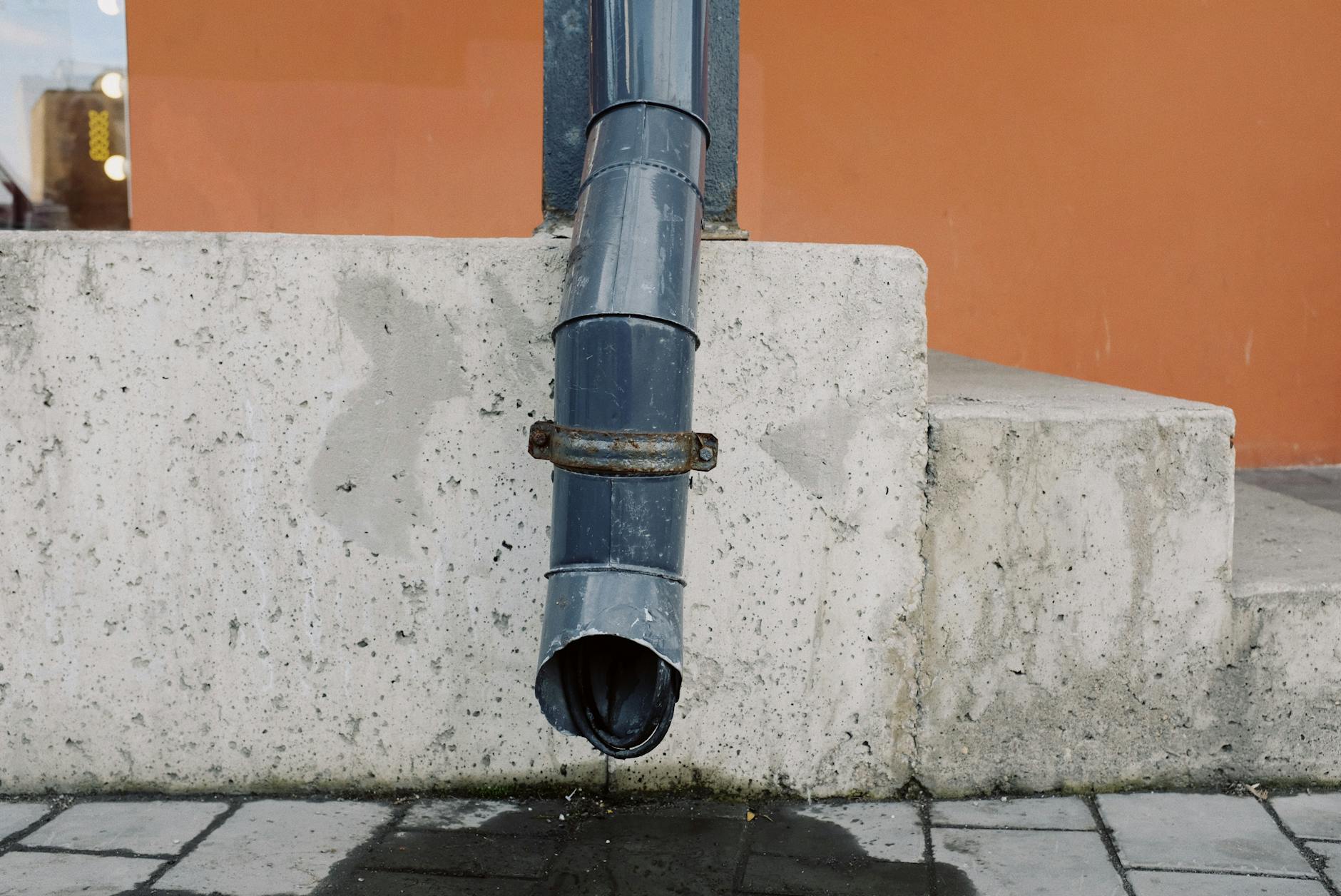
I've written about downspout sizing, underground drainage extensions, and splash blocks. This post is about the small fitting connecting your rectangular aluminum downspout to whatever it drains into next — a genuinely easy detail to overlook, and a real point where a surprising number of drainage problems start.
What a Downspout Adapter Actually Is
It's the transition fitting between a rectangular aluminum downspout outlet — standard sizes are 2x3 and 3x4 inches — and round drainage pipe, most commonly 3 or 4-inch PVC feeding an underground run. Some adapters are rigid plastic or HDPE with different hub types to match corrugated or solid-wall pipe on the buried side; others are flexible rubber couplers that need no clamps or caulking at all.
The Real, Common Failure Point Here
A loose or mismatched adapter is a genuinely common problem, not a rare one. Generic "universal" adapters that don't precisely match your downspout or pipe dimensions create gaps that need to be patched with silicone rather than sealing cleanly on their own. There's a second, separate issue worth knowing: an undersized adapter can act as a real bottleneck for the whole system, restricting flow right at the one spot where all the water from your roof has to pass through.
Why Buried Aluminum Downspout Sections Fail
This is a real, well-documented reason the adapter matters more than it looks. A respected home-inspection reference source notes that buried aluminum downspout sections corrode through and start leaking fairly quickly, because the metal is thin and soil is genuinely corrosive to it. That's exactly why the underground side of a drainage run should be solid plastic pipe, not aluminum — the adapter is the transition point where you're supposed to leave the aluminum behind entirely, not just narrow it down.
A Real Corrosion Risk Worth Knowing
Galvanic corrosion is genuine electrochemistry, not marketing talk — when two dissimilar metals are in contact with rainwater acting as the electrolyte, the less noble metal corrodes preferentially. Aluminum sits low on that scale, meaning it's usually the metal that sacrifices itself in a mismatched pairing — water running off copper components into an aluminum downspout is a real, documented risk. The fix is standard: use a plastic or rubber insulating washer between dissimilar metals, and use stainless steel or aluminum fasteners rather than plain steel screws, which create their own small corrosion point.
Where the Adapter Should Actually Sit
Trade practice generally puts the transition fitting above grade, with the buried pipe run starting below it — that keeps the joint inspectable and serviceable rather than buried and forgotten, with the downspout above it supported by brackets so its weight doesn't stress the connection. I want to be precise that this is real trade best practice, not a specific code requirement I could point to — the one relevant code provision I found, requiring roof drainage to discharge at least 5 feet from the foundation, applies specifically to expansive or collapsible soil conditions, not to where the adapter fitting itself sits.
Real Common DIY Mistakes
- Using a generic "universal" adapter instead of one actually matched to your downspout and pipe dimensions
- Screws placed straight through into the water path instead of along the side seams, creating a snag point for debris inside the pipe
- Mismatched fastener metal creating a small galvanic corrosion point right at the connection
- Insufficient slope on the buried run beyond the adapter — a common, separate cause of standing water and clogs downstream of a perfectly good fitting
Real Cost and Whether This Is a DIY Job
A basic adapter or extension fitting runs roughly $10 to $50, and attaching one to an existing downspout is a genuinely reasonable DIY task. A full underground run with proper slope and trenching is a bigger project — cost-estimate sources put materials for extending a couple of downspouts underground somewhere around $250 to $500, with full professional installation running $2,000 or more depending on complexity. These are national ballpark figures, not Western Washington-specific numbers.
Frequently Asked Questions
What size adapter do I need? Match it to your actual downspout size — 2x3 or 3x4 rectangular — and the round pipe size you're connecting to, typically 3 or 4 inches. A generic universal fit is a common source of leaks.
Can I run aluminum downspout underground instead of PVC? Not a good idea — buried aluminum corrodes and leaks fairly quickly in contact with soil. The adapter exists specifically to transition to plastic pipe for the buried portion.
Does it matter what metal the fasteners are? Yes — mismatched metals at the connection can create a real galvanic corrosion point over time. Stainless steel or aluminum fasteners are the safer choice.
Is installing a downspout adapter a DIY job? The fitting itself, generally yes. A full underground run with correct slope is more involved and where sizing or grading mistakes tend to actually happen.
Dealing with a drainage connection that's leaking, loose, or backing up? Reach out for a free estimate — I'll take an honest look at the whole run, not just the visible part.
Sources: NDS, InspectAPedia, International Residential Code (via up.codes), Homewyse.