Roof Underlayment: The Waterproofing Layer Nobody Sees
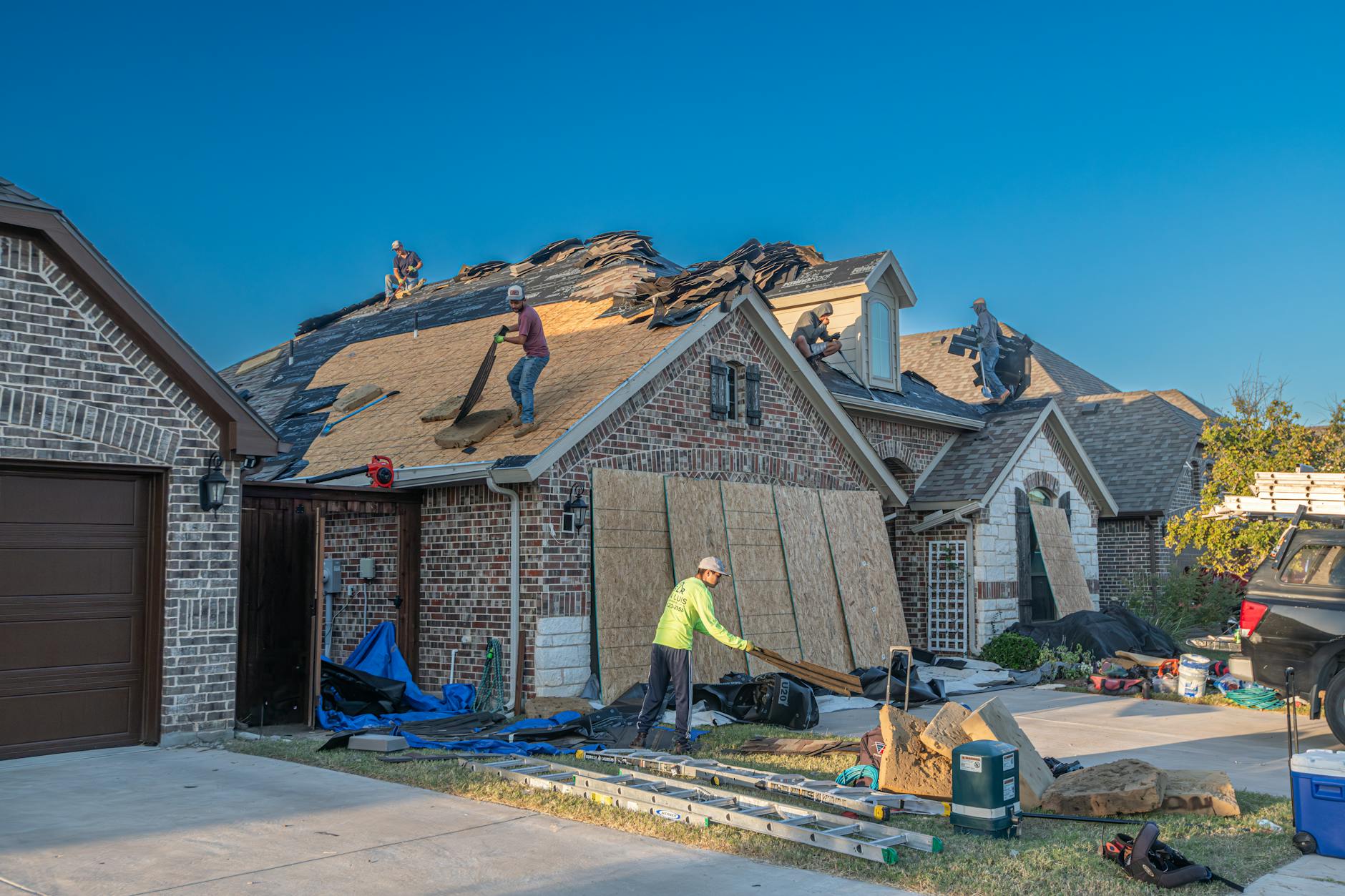
I touched on this in the roof valleys post without fully resolving one real, specific question: does Washington's code actually require an ice barrier membrane at the eaves here in Pierce and Thurston County? I went and got a real answer this time — along with the rest of what underlayment actually does.
What Underlayment Actually Does
It's the secondary water barrier installed directly on the roof deck, underneath the shingles — a backup layer protecting against wind-driven rain and any water that gets past the primary roofing material, plus temporary deck protection during construction itself. There are three real types in common use: asphalt-saturated felt (the traditional "tar paper," absorbent rather than water-repellent), synthetic underlayment (a woven or non-woven polypropylene sheet, water-resistant and tougher than felt), and self-adhering rubberized asphalt membrane, commonly called ice-and-water shield, which is fully waterproof and seals around nail penetrations.
What Code Actually Requires
The IRC's underlayment section requires materials that meet specific ASTM standards, and sets a real application pattern by roof slope — lower-slope sections (2:12 up to 4:12) need a 19-inch starter strip plus sheets lapped 19 inches, effectively doubling coverage in that zone, while steeper slopes need a single layer lapped 2 inches with offset end laps. Worth knowing if you ever look up a section number yourself: the exact numbering has shifted slightly between IRC code cycles, so double-check which edition applies before treating a specific section number as gospel.
Does Pierce or Thurston County Require an Ice Barrier?
No, on both counts — and this time I have a real, direct source instead of an open question. Pierce County's own official residential design criteria bulletin lists ice barrier underlayment as not required, applied countywide rather than varying by location the way snow load and seismic criteria do. Thurston County's own building code fact sheet states the same thing directly: ice shield not required. That's consistent with the pattern across Western Washington's mild, maritime lowlands generally — the ice-barrier requirement clusters in colder areas east of the Cascades and higher-elevation mountain communities, not here. One honest caveat: Pierce County's own document gives a single countywide answer without a specific elevation carve-out, so if you're building at real elevation near the mountains rather than in the populated lowland areas this business actually serves, it's worth confirming locally rather than assuming the same answer applies everywhere in the county.
Do the Three Types Actually Perform Differently?
Yes, and this is consistent across the roofing trade even though I couldn't find one single independent lab study ranking them. Felt is the cheapest and shortest-lived, since it absorbs rather than repels water. Synthetic underlayment holds up better against tearing, moisture, and UV exposure, installs faster, and several manufacturers back it with warranties matched to the shingle warranty itself. Self-adhering ice-and-water shield is the only genuinely waterproof, self-sealing option of the three — it's typically used as a targeted product at eaves, valleys, and penetrations rather than across a whole roof deck in most markets, largely because of cost.
Real, Common Installation Mistakes
- Insufficient side-lap overlap at seams — manufacturer specs commonly call for 4 to 6 inches, and cutting that short risks water intrusion
- Wrong fastener pattern — over-nailing can tear the material or split the deck, under-nailing risks wind-uplift failure in a real storm
- Valley underlayment not extending wide enough — best practice is a minimum 36-inch-wide self-adhering membrane centered on the valley, installed before the field underlayment goes down
- Not following the specific manufacturer's instructions for that product, since lap and fastener requirements vary by brand
Real Cost
Cost-estimator sources put installed underlayment somewhere around $0.75 to $4.00 per square foot depending on type — felt at the low end, synthetic in the middle, ice-and-water shield noticeably higher given its fully waterproof construction. In practice, this is almost always priced as part of a full roof replacement rather than sold as a standalone job, since removing and reinstalling the shingles is the bulk of the labor cost either way.
Frequently Asked Questions
Do Pierce and Thurston County require an ice barrier at the eaves? No — both counties' own official building code documents list it as not required, consistent with the mild Western Washington lowland climate.
What's the difference between felt and synthetic underlayment? Felt absorbs water and has a shorter lifespan; synthetic resists moisture and tearing better, installs faster, and is often warrantied to match the shingles above it.
Is ice-and-water shield worth it if my county doesn't require it? It's still a genuinely superior waterproofing layer, commonly used at real vulnerable spots like valleys and eaves regardless of the code minimum — a reasonable upgrade to discuss even where it isn't mandatory.
Can I have just the underlayment redone without a full re-roof? Not in practice — removing and reinstalling shingles is most of the labor involved, so underlayment work is essentially always bundled with a full roof replacement.
Planning a re-roof and want to know what's actually worth upgrading underneath the shingles? Reach out for a free estimate — I'll give you an honest read on what your roofline actually needs.
Sources: International Residential Code (via up.codes), Pierce County Planning & Public Works, Thurston County Community Planning & Economic Development, Benjamin Obdyke, Journal of Light Construction.